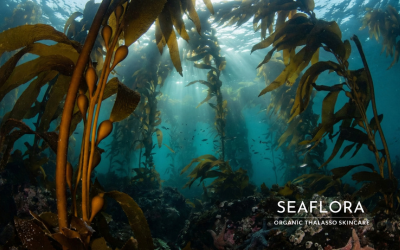

For ages, people living by the sea have looked to the ocean’s bounty for health and healing. However, it turns out seaweed wasn’t just food; it was a go-to remedy for all sorts of ailments. From ancient Egypt to the shores of Ireland, cultures worldwide found ways to use this ocean plant. In this post, we explore how different groups understood seaweed and what we can learn from their traditions today.
Key Takeaways
- Global History: Cultures have used seaweed for thousands of years as a source of food and medicine.
- Ancient Records: Civilizations like the Egyptians and Chinese documented seaweed’s use for digestive issues and overall health.
- Indigenous Wisdom: Indigenous peoples globally incorporated seaweed into their diets and healing practices, showing a deep connection to marine resources.
- Versatile Healing: Healers recognized its properties for soothing stomach problems, treating skin conditions, and aiding respiratory issues.
- Modern Validation: Science is now exploring and validating many of these traditional uses for health and wellness.
Ancient Origins: Seaweed in Early Medicine
Long before we had fancy labs and scientific journals, coastal communities knew that seaweed was good for them. It wasn’t just nourishment; it was medicine. Specifically, evidence shows people in places like Chile and China used seaweeds thousands of years ago. These coastal communities, separated by vast oceans, all figured out that these marine plants held healing powers.
A Holistic Approach
Think about it – people utilized seaweed for all sorts of things. It became a go-to remedy for tummy troubles, like indigestion and heartburn. Furthermore, many cultures believed it possessed purifying qualities and used it in cleansing rituals. Specific traditions often dictated the preparation and application. This shows a deep connection between physical health, spiritual well-being, and the natural world. Ultimately, this ancient wisdom highlights a holistic approach to health that we’re still exploring today.
Key historical observations include:
- Digestion: Soothing digestive issues was a common use across many cultures.
- Purification: Healers often employed seaweed in cleansing practices due to its perceived purifying properties.
- Treating Growths: Many traditions recognized its ability to help with swellings and growths.
- Stewardship: Ancient peoples practiced careful stewardship of these marine resources. This ensured availability for future generations and informs modern conservation efforts.
It’s pretty amazing to consider how these early healers observed the benefits of kelp. In fact, they recognized its therapeutic effects long before modern science could explain them. This deep historical connection to marine resources stands as a testament to human observation and the enduring power of nature.
The Coastal Cure: Traditional Folk Remedies
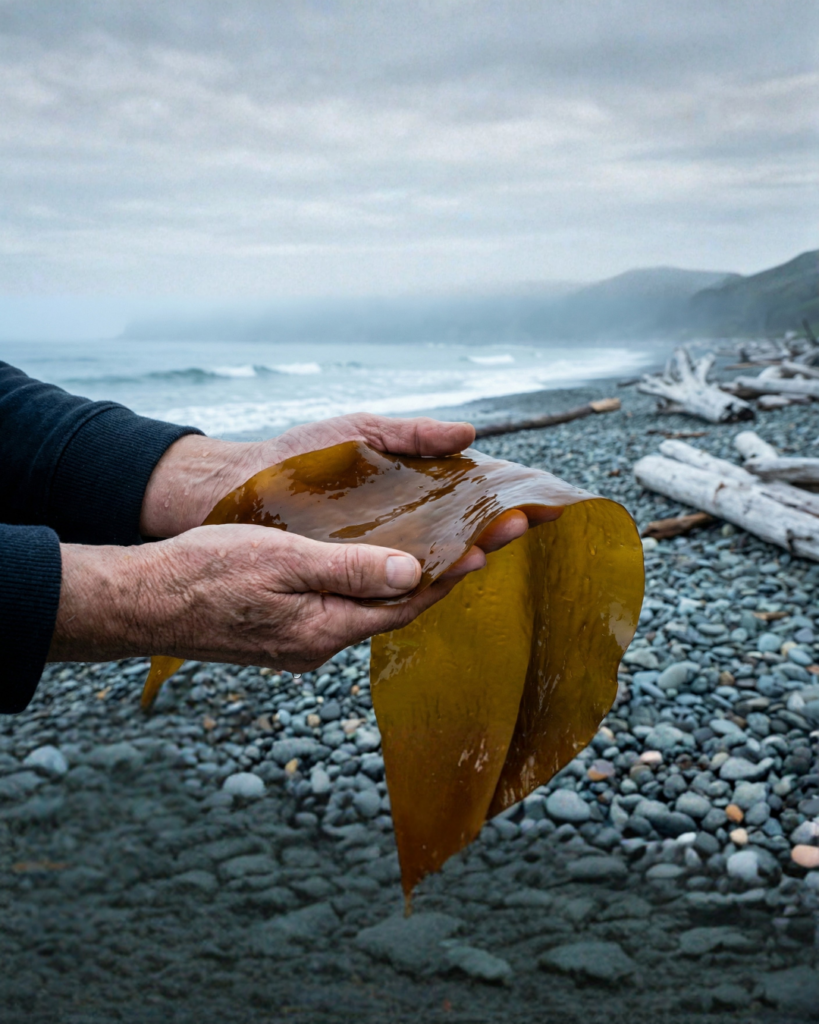
Long before scientists broke down seaweed into its chemical components, people living near the ocean knew it was essential. It wasn’t just a food source; it was a medicine cabinet right there on the shore. Consequently, coastal communities all over the world developed their own ways of using these marine plants.
Respiratory and Wound Care using Seaweed
If you had a sore throat or a nasty cough, boiling up some seaweed and inhaling the steam was a common practice. For example, one old-timer called it the “Paracetamol of the time,” especially during tough events like the Spanish flu. They boiled it in barrels, and the vapors helped clear the lungs.
Moreover, seaweed wasn’t just for internal use. For cuts and scrapes, people in places like North America mashed up seaweed into a poultice. They believed this slimy concoction helped wounds heal and kept infections at bay. Additionally, healers used it for conditions like rheumatism, sometimes applying it as a tincture or rub.
Here are some common traditional uses:
- Reducing Swellings: Healers used certain brown seaweeds to help with lumps, bumps, and swollen glands, like goiters. They often ground them into powders or made pastes.
- General Health Tonic: Many cultures viewed seaweed as a way to boost overall well-being and fight off weakness. Sometimes, they mixed it with honey or wine to make it more palatable.
- Skin Treatments: Beyond just cuts, people applied seaweed to burns, bruises, and sore eyes to smooth the skin.
It’s fascinating how many different cultures independently discovered similar uses for seaweed. They might not have known about iodine, but they recognized the healing power of these ocean plants. Furthermore, in 19th-century Europe, pharmacies prepared seaweed in all sorts of ways – infusions, pills, wines, and even as ash. It was a readily available, natural pharmacy for those living by the sea.

The Scientific Turning Point: Discovering the “Why”
For a long time, people knew seaweed was good for them, but they didn’t really know why. It was all based on tradition. Think of it like this: your grandma always put a certain herb in soup for a cough, and it helped. However, she couldn’t explain the chemical reaction. That’s how seaweed medicine existed for centuries.
From Folklore to Facts
Then, things started to change. Scientists began looking closer at these plants. They didn’t just accept that seaweed was helpful; they wanted to break it down. Specifically, they aimed to understand its components and figure out the actual biological processes at play. This shift from “it works” to “here’s how it works” was a huge deal.
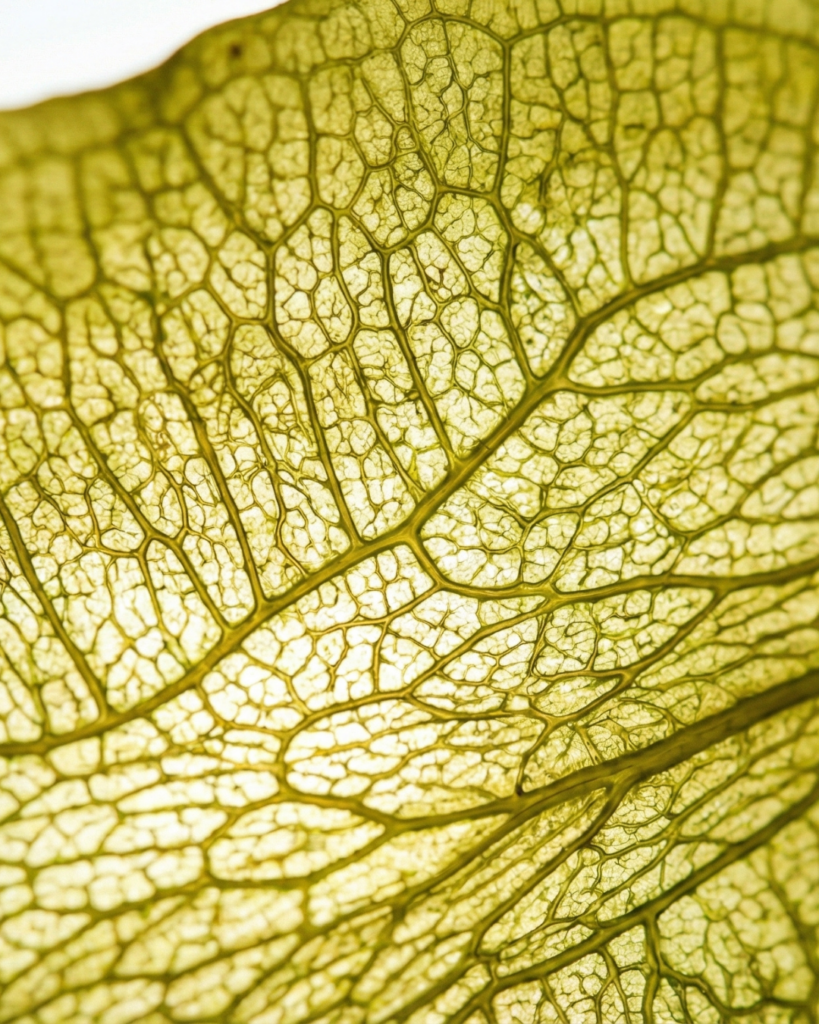
Researchers started isolating different compounds. They found things like polysaccharides (complex carbohydrates), minerals, and vitamins. Consequently, they discovered that many of these components had specific effects on the human body. For example, scientists found that certain compounds possess anti-inflammatory properties, while others show potential for boosting the immune system.
Here’s a simplified look at what they found:
- Polysaccharides: These are the building blocks. Some, like alginates and carrageenans, possess gelling properties. Moreover, they interact with our digestive system and can have prebiotic effects.
- Minerals: Seaweed is packed with minerals like iodine, calcium, magnesium, and iron. Therefore, it supports thyroid health and bone strength.
- Antioxidants: These compounds help protect our cells from damage. Seaweed contains various antioxidants that combat stress within the body.
- Bioactive Peptides: These small protein pieces can have specific health benefits, like influencing blood pressure.
This period marked a significant move from anecdotal evidence to empirical data. Finally, scientists could explain why certain seaweeds worked for specific ailments.
How Seaweed Mimics Human Plasma
It’s pretty wild when you start looking into how seaweed works with our bodies. One of the most fascinating connections is how certain compounds in seaweed are surprisingly similar to human blood plasma. Think about it: plasma is the liquid part of our blood that carries cells, nutrients, and waste. It keeps everything flowing.
Nature’s Blueprint
Seaweed, especially brown and red varieties, contains “sulfated polysaccharides.” These are long chains of sugar molecules with sulfate groups attached. Remarkably, their structure is incredibly similar to molecules found in our own bodies. For instance, fucoidans (found in seaweeds like Fucus evanescens) have shown anticoagulant properties. This means they can help prevent blood from clotting. Basically, nature already had a blueprint for this stuff.
Here’s a quick look at some of these similarities:
- Structural Resemblance: The branching patterns on seaweed polysaccharides mirror those found in human glycoproteins.
- Functional Overlap: Compounds like fucoidans can influence blood coagulation pathways, much like natural plasma components.
- Nutrient Transport: Seaweed’s rich nutrient profile contributes to the body’s overall fluid and nutrient balance when consumed.
Therefore, the intricate molecular structures within seaweed possess a remarkable ability to interact with biological systems. This interaction isn’t random; it often involves pathways our bodies already use. As a result, scientists are interested in seaweed for medical applications. Researchers are now exploring how these compounds could serve as natural alternatives to synthetic drugs.
Modern Dermatology: Seaweed for Skin Barrier Repair
It turns out that the same marine plants our ancestors used for healing are now making waves in modern skincare. Specifically, they play a huge role in fixing our skin’s natural defenses. Think of your skin barrier like a protective wall. When it’s damaged, your skin gets dry and red. Fortunately, seaweed is showing real promise in rebuilding that wall.
Restoring the Barrier with Seaweed
Seaweed extracts are packed with polysaccharides, vitamins, and minerals. These ingredients have specific jobs. For example, certain sugars in seaweed, like alginates, are fantastic at holding onto moisture. This is super important for keeping skin hydrated and supple.
Beyond just hydration, seaweed contains compounds that can calm inflammation. Since many seaweeds have anti-inflammatory properties, they help reduce the redness and irritation often seen in a compromised skin barrier.
Here’s why seaweed is so good for skin:
- Hydration Boost: Polysaccharides act like tiny sponges, drawing water to the skin.
- Soothing Action: Natural compounds help calm down redness and irritation.
- Antioxidant Power: Many seaweeds fight off damage from pollution and UV rays.
- Nutrient Rich: They provide essential vitamins and minerals that skin cells need.
In short, seaweed mimics some of the natural components of our skin. This makes it particularly effective at repairing the skin’s outer layer. So, next time you see a skincare product listing seaweed, know that it’s a nod to ancient wisdom backed by science.


The Future of Marine Medicine
So, where are we headed with all this seaweed stuff? It’s pretty exciting. We’re moving beyond just knowing that seaweed is good for us. Now, we are starting to understand how it works. Scientists are digging into the specific compounds to figure out their exact roles in fighting disease. This opens doors to new kinds of medicines.
Innovation on the Horizon
We’re seeing a big push to isolate these powerful molecules. Imagine a future where we can create targeted therapies derived from algae for chronic inflammation or infections. It’s not just about popping a pill anymore; it’s about using nature’s own blueprints.
Here’s a glimpse of what’s coming:
- Drug Development: Scientists are identifying specific compounds for pharmaceutical use.
- Advanced Nutraceuticals: Companies are creating highly potent supplements with proven benefits.
- Biomaterials: Doctors are using seaweed extracts in wound healing dressings.
- Personalized Medicine: We can tailor treatments based on how individuals respond to marine compounds.
Furthermore, this future is about sustainability. As we look for new ways to heal, we also look for ways to protect the planet. Cultivating seaweed is often much kinder to the environment than land-based agriculture. Therefore, the future is about better health and healthier practices.
Conclusion
It’s wild to think about how far we’ve come. From ancient times, when people just knew seaweed worked, to today’s labs figuring out the molecules responsible. First, we saw how cultures used marine plants for wound healing and digestion. Then, science explained compounds like fucoidans and alginates.
Today, we know these compounds are compatible with our own bodies. Consequently, the skin benefits are becoming a big deal for repairing our barriers.
So, what’s next?
- More research into specific compounds.
- Developing new medicines based on these findings.
- Finding sustainable ways to harvest seaweed.
The journey of seaweed medicine is just getting started. Ultimately, nature often holds the keys to health. We just need to look in the ocean to find them.
Frequently Asked Questions
What is seaweed and why did ancient people use it for medicine? Seaweed is a marine algae. Ancient coastal communities discovered it had helpful properties. Therefore, they used it to treat health problems like stomach aches and skin issues because they noticed it made people feel better.
How did different cultures use seaweed for health? Different cultures had unique methods. Some ate it to help with digestion, while others made pastes for skin problems. In fact, places like China used it for swelling, and many cultures utilized it to boost overall energy.
Did ancient people believe seaweed had special powers? Yes. In many ancient cultures, people viewed seaweed as more than just a plant. Often, they thought it had special powers to heal, a belief tied to spiritual practices and respect for the ocean.
How is seaweed similar to human blood plasma? Scientists found that seaweed has a mineral composition surprisingly similar to human blood plasma. Because of this, seaweed is very compatible with our bodies, helping effectively with hydration and nutrient transport.
What is seaweed used for in modern skincare? Today, seaweed is a popular skincare ingredient. Specifically, it helps repair the skin barrier. This keeps skin hydrated and smooth. Many products use seaweed extracts to soothe irritation.
What can we learn from the history of seaweed medicine today? The history teaches us about nature’s healing power. It shows that simple, natural remedies can be effective. By studying ancient uses, we find new ways to use seaweed for wellness today.
Resources
Revealing the Potential Use of Macro and Microalgae Compounds in Skin Barrier Repair
Fucoidan: Structure and Bioactivity – PMC
Prebiotics from Seaweeds: An Ocean of Opportunity? – PMC
Minerals from Macroalgae Origin: Health Benefits and Risks for Consumers – PMC