
For ages, the ocean has served as a source of amazing things. Seaweed definitely stands out among them. It is not just a trendy health food; humans have used seaweed for a remarkably long time in various ways. From ancient traditions to modern kitchens, this ocean plant boasts a rich history and a promising future.
Key Takeaways
- Ancient Food Source: Seaweed has nourished humans for thousands of years, with evidence appearing in ancient settlements across the globe.
- Cultural Significance: Across Asia, seaweed integrates deeply into cultural practices, appearing in New Year’s dishes in Japan and birthday soups in Korea.
- Survival Resource: In Europe, especially during the Irish Famine, seaweed provided a vital food source that remains part of traditional dishes today.
- Modern Superfood: Nutritional experts celebrate seaweed for its rich content of vitamins, antioxidants, and omega-3s.
- Environmental Hero: Modern seaweed farming grows rapidly to absorb carbon and improve overall ocean health.
Introduction
If you wander a coastline—whether in foggy Ireland, rugged Canada, or sun-drenched Southeast Asia—you quickly realize the ocean offers more than just water. Long before scientists identified specific minerals or antioxidants, coastal people looked to the sea for healing and nourishment. Seaweed, in particular, became a cornerstone of daily life centuries ago. Entire traditions now flourish around this versatile marine plant.
The ocean’s seaweed functions as a quiet but powerful resource. It acts as food, medicine, and a link to the natural world. Coastal communities have harvested these fronds by hand for generations, often passing down specific techniques from elders to youth. These groups used seaweed to care for their skin, heal wounds, and feed their livestock.
Every tide delivers a new crop. This cycle provides constant opportunities for healing and connection to the wild edges of our world. Seaweed is as much about the “how” as the “what.” The weather, the timing, and the specific know-how of the harvester define its value. When you touch a salty frond wet from the tide, you hold a piece of the world’s oldest pharmacy. These traditions connect seaweed to seasonal cycles and local health remedies. Seaweed has quietly shaped coastal lives for longer than most realize.
Ancient Wisdom and Protective Seaweed Bioactives
Humans did not simply eat seaweed; they observed its behavior in the wild. People noticed that seaweed survived hours of intense UV exposure during low tide without drying out or “burning.” This observation led to the development of early skincare. By mimicking the plant’s natural resilience, ancient cultures found ways to protect their own bodies from the elements.
This connection between human health and marine life is not a modern invention. Archaeological sites in Chile show that humans processed seaweed for food and medicine over 14,000 years ago. This long-standing relationship suggests that our bodies are well-adapted to the nutrients found in the sea. Today, we call these nutrients “bioactives,” but to our ancestors, they were simply the gifts of the tide.
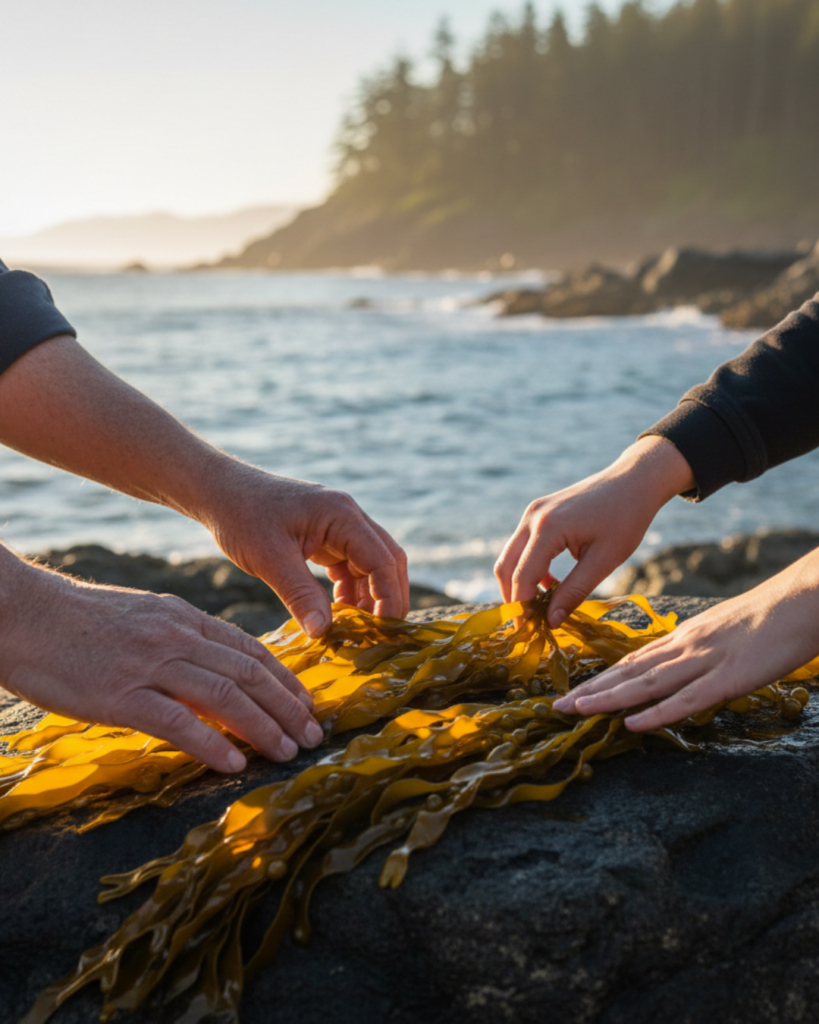


The Natural Sun Shield of First Nations
Long before modern sunscreen existed, people living by the sea developed their own methods for managing sun exposure. Indigenous communities along the coastlines maintained a deep connection with marine resources. They specifically noticed how certain seaweeds offered a natural form of protection.
Elders did not sit in laboratories; they gained knowledge through generations of observation and practice. They gathered specific types of seaweed, usually red or brown varieties, to shield their skin from harsh rays. This practice required an intimate understanding of the properties within these marine plants.
The process often involved several key steps:
- Observation: Elders identified that certain seaweeds produced a unique protective film when processed.
- Application: Harvesters applied these processed seaweeds to the skin, sometimes mixing them with other natural oils to create a physical barrier.
- Drying Techniques: The drying process was vital. Specialists laid seaweed on rocks during specific weather windows to prepare it for topical use.
This practice highlights a relationship with nature based on cooperation rather than control. Knowledge stayed tied to specific places and seasons. Using seaweed as a natural shield was a deliberate choice woven into the fabric of daily life. It serves as a testament to the ingenuity of coastal communities who lived in harmony with the ocean’s bounty.
The Ancestral History of Seaweed Skin Protection
Beyond just the First Nations of the Pacific Northwest, other cultures used the “slime” or mucilage of seaweed to treat burns and skin irritations. This slippery substance, known today as polysaccharides like fucoidan and alginate, creates a protective seal over the skin. It locks in moisture while keeping external irritants out.
Ancient sailors often used these seaweed wraps to prevent their skin from cracking in the salty sea air. By wrapping their hands or faces in wet kelp, they utilized the plant’s natural humectants. These methods were the precursors to modern-day seaweed wraps found in high-end spas. The transition from survival tool to luxury treatment shows how effectively these marine plants work.
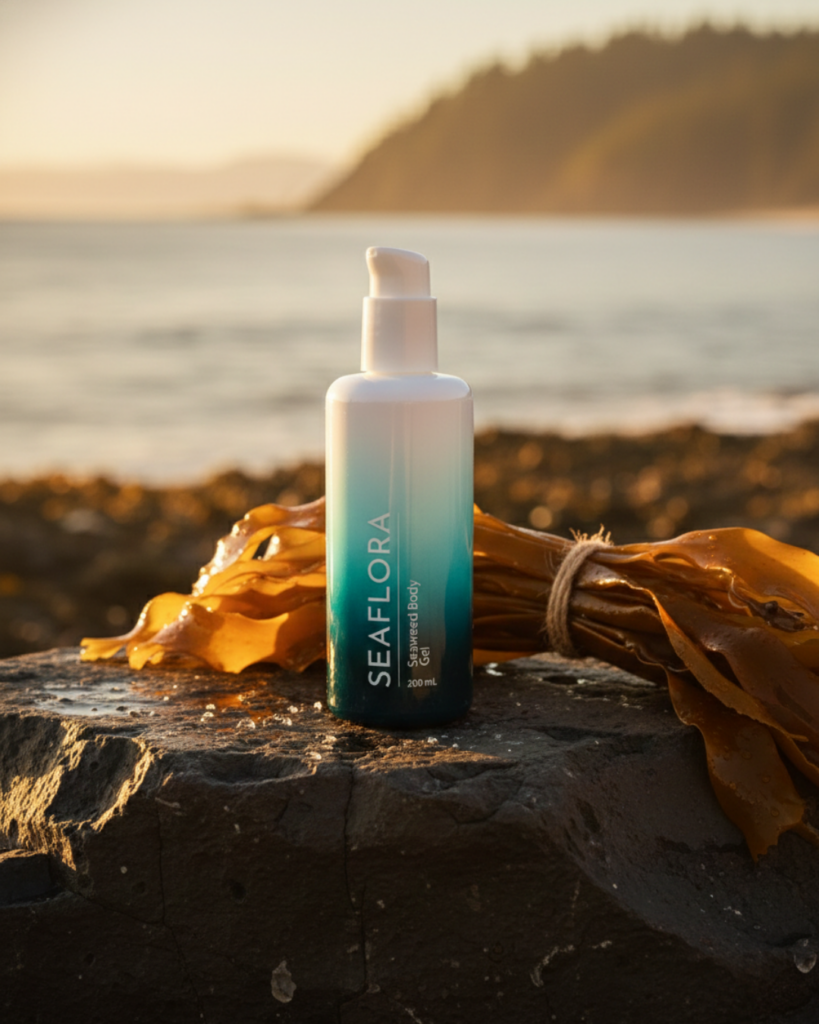
The ingenuity of First Nations in utilizing seaweed for skin protection resonates deeply with Seaflora’s mission. Our Seaweed Body Gel directly embodies this ancestral wisdom. Crafted with cold-processed, wild-harvested kelp and Fucus, it offers a biological barrier that soothes environmental damage and nurtures your skin, just as coastal communities have done for millennia. It’s a testament to the enduring power of the ocean to protect and heal.
The Asian Birthday Tradition: Honoring Origins
In many parts of Asia, birthdays involve more than just cake. They usually include a serving of seaweed soup. In Korea, this special dish is called miyeokguk. People traditionally eat it on their birthday to honor their mothers and remember the journey of their own birth. It serves as a yearly tribute to the sacrifices made during childbirth.
This custom likely began during the Goryeo Dynasty. Observers noticed that whales ate seaweed after giving birth. They correctly assumed the plants aided in recovery. Consequently, people began giving seaweed to women after they had babies. Over time, this evolved into a birthday ritual for everyone.
The tradition carries deep significance for several reasons:
- Maternal Honor: It serves as a direct tribute to the mother who birthed the child.
- Nutritional Support: Seaweed contains high levels of iodine and calcium, which aid in postpartum recovery.
- Symbol of Renewal: Eating the soup marks the start of a new year with a sense of physical and spiritual renewal.
Seaweed soup remains a profound tradition that ties generations together. It reminds everyone of the connection between life, nourishment, and the sea. It provides a taste of history in every bowl.
Marine Traditions in the Kitchen
The use of seaweed in Asian cuisine extends far beyond birthday soup. In Japan, kombu (dried kelp) forms the base of dashi, the savory stock used in almost every traditional dish. This adds a deep “umami” flavor that scientists now link to glutamate, a natural amino acid.
By incorporating seaweed into the daily diet, these cultures naturally boosted their intake of trace minerals. This dietary habit likely contributed to the historically high longevity rates seen in coastal Japanese populations. The tradition of eating seaweed is not just about flavor; it is a strategy for long-term health and vitality.
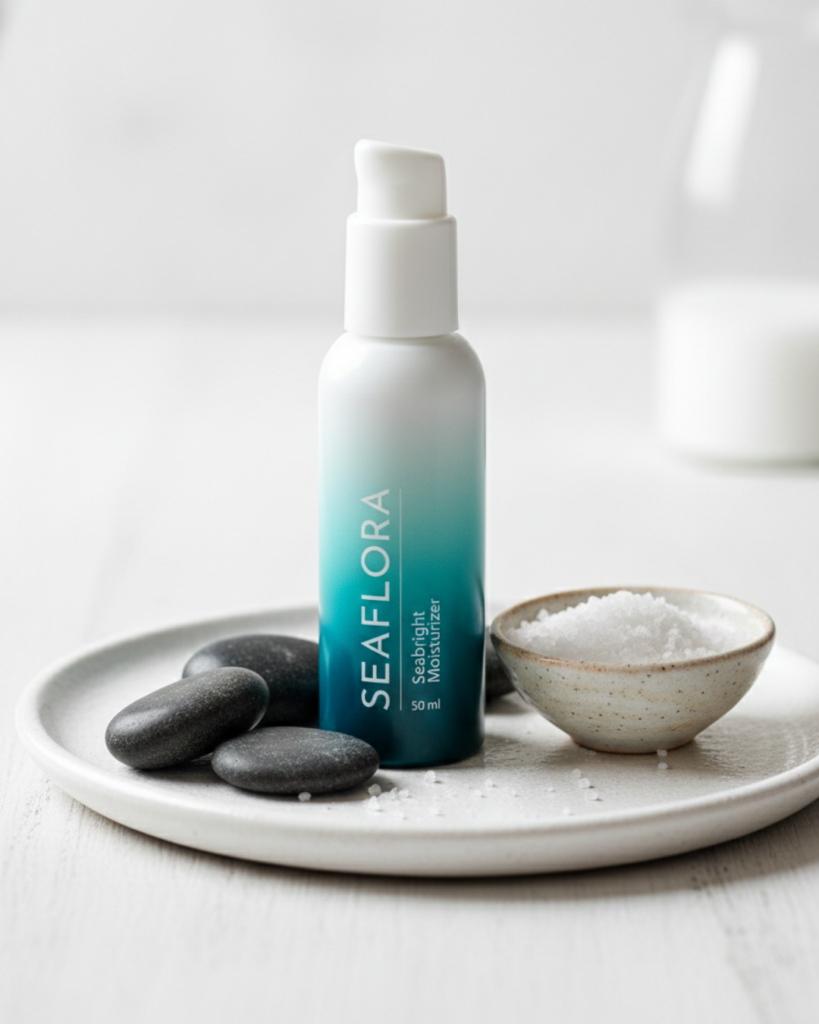
The Asian tradition of consuming seaweed for vitality and “glass skin” reveals a profound link between internal health and external radiance. Our Seabright Facial Moisturizer honors this wisdom by harnessing the power of Ulva lactuca (Sea Lettuce), a marine botanical long consumed for its benefits. This moisturizer naturally brightens the complexion and helps diminish the appearance of age spots, reflecting the desired luminosity associated with long life and well-being.
The Pregnancy Superfood: Nature’s Prenatal Vitamin
Seaweed is a real powerhouse for expecting mothers. Many cultures have long recognized these benefits, and modern science now supports this ancient wisdom. You can think of seaweed as nature’s prenatal vitamin. It provides essential nutrients that help both the mother and the baby thrive during a critical time.
Seaweed contains nutrients that are particularly vital during pregnancy. Iodine supports the baby’s brain development, while folate helps prevent neural tube defects. It also offers significant doses of iron, calcium, and vitamins A, C, and E. Furthermore, seaweed provides omega-3 fatty acids, which are excellent for brain and eye health.
Key nutrients in seaweed include:
- Iodine: Essential for thyroid function and fetal brain growth.
- Folate (Vitamin B9): A critical nutrient for preventing birth defects.
- Iron: Supports the mother’s increased blood volume and prevents anemia.
- Calcium: Vital for the baby’s bone development and the mother’s bone density.
Many pregnant individuals now incorporate seaweed into their diets to gain these benefits. Whether they sprinkle nori on rice or add wakame to a salad, they find easy ways to boost their nutrition. Some traditions even suggest that seaweed soup helps with milk production after childbirth. This practice highlights a deep, intuitive understanding of the ocean’s gifts.
Biological Benefits of Seaweed for Maternal Health
The high mineral content in seaweed also helps manage common pregnancy symptoms. For instance, the magnesium found in kelp can help reduce leg cramps and improve sleep quality. The natural fibers in seaweed, such as alginates, support healthy digestion, which often slows down during pregnancy.
By eating seaweed, mothers are not just feeding themselves; they are providing a complex matrix of nutrients that are easily absorbed by the body. Unlike synthetic pills, seaweed offers these vitamins in a bioavailable form, meaning the body can use them more effectively.
The ancient understanding of seaweed as a “Mother’s Multi-vitamin” for internal health finds its modern echo in our skincare. Just as pregnant women sought seaweed to replenish their bodies, our Sea Therapy Hydration Treatment acts as an essential external supplement for your skin. Packed with vital marine minerals like iodine and magnesium, it restores the skin’s barrier and hydration levels, supporting resilience through life’s demanding phases.
Seaweed as a Tool for the Future
Beyond food and skincare, seaweed is being explored as a solution for global problems. Scientists are developing seaweed-based bioplastics to replace single-use petroleum products. Others are researching seaweed as a source of biofuel. The same plants that protected ancient First Nations from the sun may soon protect the planet from plastic pollution.
The versatility of seaweed is unmatched. It can be a snack, a serum, a supplement, or even a fuel source. As we rediscover these uses, we are simply coming full circle to the wisdom of our ancestors who saw the ocean as a limitless provider.

Conclusion
We have seen that seaweed is not merely a random marine plant. It has shaped human history for thousands of years. From ancient Indigenous remedies to modern skincare, this sea vegetable offers incredible value to our species. Seaweed’s role extends far beyond nutrition. It connects us to tradition, supports coastal economies, and offers solutions to environmental crises.
The way we interact with seaweed defines our appreciation for the natural world. Gathering, drying, and preparing seaweed requires patience and respect for the ocean. This connection to the process gives seaweed its unique cultural weight. It is amazing how something so simple can have such a wide-reaching impact.
As we look forward, seaweed will undoubtedly remain a significant part of our lives. It offers practical benefits and a vital link to our collective history. Whether it is the protective barrier of our Seaweed Body Gel, the deep replenishment of the Sea Therapy Hydration Treatment, or the brightening power of Seabright, these products carry the torch of ancestral wisdom into the modern world.
Seaweed has remained a vital pillar in these key areas:
- Traditional Medicine: Cultures worldwide used it to treat various ailments.
- Cultural Rituals: It features in birthdays, New Year’s celebrations, and daily meals.
- Economic Empowerment: It provides livelihoods, especially for women in coastal regions.
- Environmental Health: It offers potential as a biofuel and a way to sequester carbon.
Are you ready to discover the power of seaweed for yourself? We have the resources you need to achieve a healthy, natural glow. Visit our website today to explore our full range of natural skincare products. Your journey to beautiful, resilient skin begins with the wisdom of the ocean!
Frequently Asked Questions
How long have people actually used seaweed? People have relied on seaweed for a very long time. Archaeological evidence suggests humans were eating seaweed at least 14,000 years ago in South America. It has been a dietary staple in Asia and Europe for millennia.
What is the meaning behind seaweed in Asian traditions? In many Asian cultures, seaweed was once considered a luxury or a gift for royalty. In Korea, it is a traditional birthday food and a recovery meal for new mothers because of its high mineral content.
Did ancient Europeans eat seaweed? Yes. In Europe, seaweed was often a survival food during famines, such as the Great Famine in Ireland. However, it was also used as a traditional seasoning and snack, like dulse in Iceland and Scotland.
Why do people call seaweed a “superfood”? Seaweed is “nutrient-dense.” It contains vitamins A, C, E, and K, along with essential minerals like iodine, calcium, and magnesium. It also provides antioxidants and healthy omega-3 fatty acids.
Can seaweed really protect the skin from the sun? While you should always use modern SPF, certain seaweeds contain compounds like mycosporine-like amino acids (MAAs). These act as natural UV filters, which is why ancient coastal people used them as a topical shield.
Resources
https://pubmed.ncbi.nlm.nih.gov/31991623
https://pubmed.ncbi.nlm.nih.gov/38871780
https://pubmed.ncbi.nlm.nih.gov/22868162
https://pubmed.ncbi.nlm.nih.gov/24697280
https://pubmed.ncbi.nlm.nih.gov/33203217