
We often hear about the antioxidants found in berries and dark chocolate, but have you ever considered the treasures of the deep? The ocean, specifically wild kelp, remains a powerhouse of these protective compounds. Marine plants evolved incredible ways to thrive in harsh conditions, and we can utilize these same mechanisms for our skin. Let us explore how this underwater wonder exerts its antioxidant magic through a complex biological lens.
Key Takeaways
- Wild kelp serves as a rich source of antioxidants, which evolved to help it survive challenging marine environments.
- Phlorotannins, found abundantly in brown seaweeds like kelp, act as potent compounds that fight oxidative stress at a cellular level.
- Pigments like carotenoids, including fucoxanthin, contribute significantly to kelp’s antioxidant power beyond providing color.
- Minerals in kelp act as vital cofactors for enzymes, supporting the skin’s natural antioxidant defenses.
- Whole kelp offers synergistic antioxidant benefits that isolated components likely cannot match.
The Survival Origins of Marine Antioxidant Protection
Life in the ocean presents constant, high-intensity challenges that terrestrial plants rarely face. Marine life must navigate intense sunlight, shifting salt levels, and the threat of damage from reactive molecules. To survive these conditions, seaweeds developed sophisticated defense mechanisms, specifically the production of potent antioxidants. These are not ordinary antioxidants; they protect cells from damage caused by extreme oxidative stress.
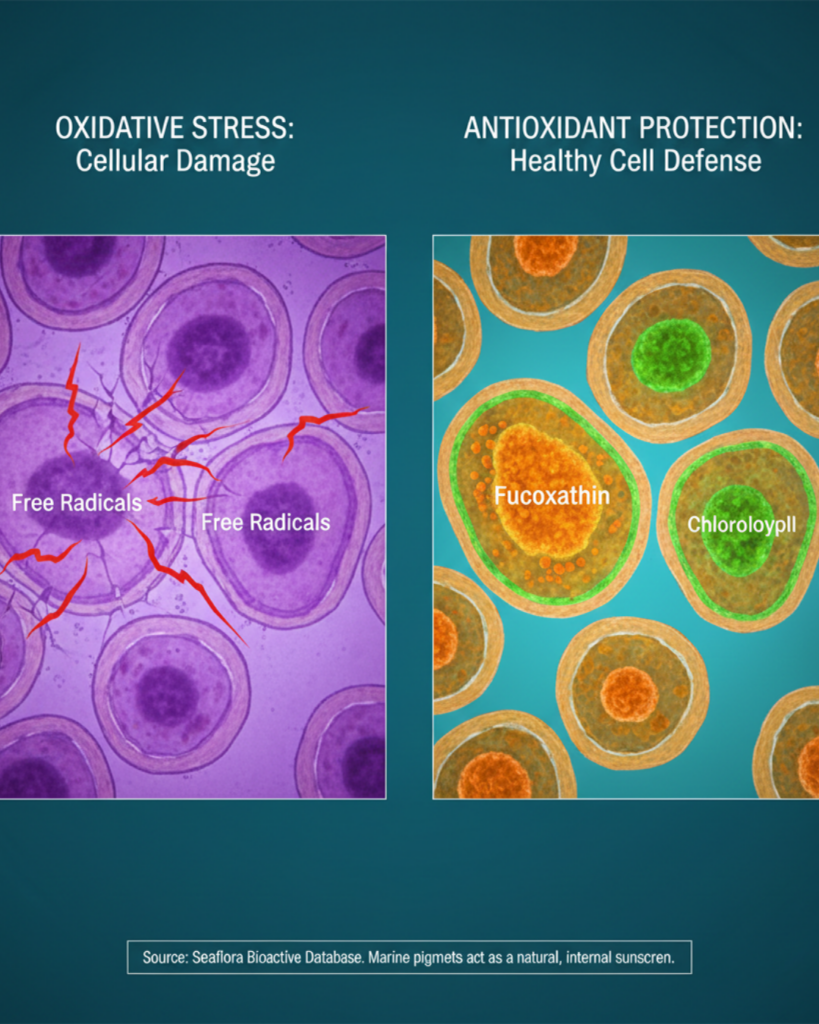
Oxidative stress occurs when unstable molecules, known as free radicals, cause cellular damage. Algae packs its tissues with these protective compounds as a built-in survival kit. Furthermore, kelp contains a cocktail of natural chemicals that maintain stability under pressure. Some compounds directly neutralize free radicals, while others scavenge reactive oxygen species (ROS) that speed up damaging reactions.
Such biological systems allow seaweeds to thrive in extreme shorelines where UV radiation is at its peak. Marine antioxidants are particularly interesting because they come from organisms adapted to a very different world than ours. This unique evolutionary path led to compounds with intense protective abilities. Consequently, we are now exploring these benefits for human skin physiology. When we apply these extracts, we are essentially “borrowing” the seaweed’s survival strategy to protect our own skin barrier.
Spotlight on Phlorotannins: The Brown Seaweed Antioxidant Powerhouse
Phlorotannins distinguish brown seaweed from the rest of the marine plant world. Furthermore such compounds are a primary reason why wild kelp remains a staple in the wellness spotlight. Phlorotannins are not just a trend; they are the primary way kelp manages daily stress in sun-blasted coastal areas. Beyond such molecules are a type of polyphenol exclusive to brown seaweeds like kelp (Laminaria) and Fucus.
Over millions of years, they have become exceptionally effective at soaking up free radicals. Moreover, they provide a stable defense that land-based plants often lack. Because they are highly concentrated in the plant’s outer tissues, they act as the first line of defense against environmental insults. In fact, research shows that phlorotannins can be up to 10 times more effective at scavenging free radicals than some common land-based polyphenols.
The Cellular Mechanism of Phlorotannins
How do these seaweed antioxidants actually function? They work by donating electrons to unstable free radicals, effectively “disarming” them before they can attack skin proteins like collagen and elastin. Furthermore, they inhibit the activity of hyaluronidase, the enzyme that breaks down hyaluronic acid in your skin. By protecting your natural moisture reserves, these antioxidants do double duty as anti-aging and hydrating agents.
| Brown Seaweed | Typical Antioxidants Found | Notable Skin Benefits |
| Kelp (Laminaria) | Phlorotannins, Polysaccharides | Wrinkle reduction, matrix protection |
| Fucus (Rockweed) | Fucoidan, Polyphenols | Collagen boost, anti-inflammatory |
| Macrocystis | Minerals, Trace Elements | Barrier repair, hydration |
Carotenoids and Pigments: Antioxidant Benefits Beyond Surface Color
When you see wild kelp, its golden-brown to deep olive colors indicate a wealth of antioxidant pigments. Kelp overflows with carotenoids—especially fucoxanthin—as well as chlorophyll. These compounds protect the plant against stress from sunlight and oxygen exposure. Furthermore, they provide biological shields that land plants cannot replicate in the same concentration.
Important pigments and their antioxidant roles:
- Fucoxanthin: This carotenoid scavenges free radicals and supports skin elasticity. It is unique to brown algae and is highly researched for its ability to suppress melanin production.
- Chlorophyll a: An antioxidant that provides antibacterial support for a clear complexion. Also aids in the detoxification of the skin surface.
- Beta-carotene: A precursor to Vitamin A that supports epidermal turnover and protects against photo-damage.
- Lutein & Zeaxanthin: Carotenoids that provide specific protection against blue light, which is increasingly relevant in our screen-heavy world.
The Teamwork of Marine Pigments
Unlike synthetic alternatives, the pigments in wild kelp work as a team. Because the ocean is relentless, kelp remains in survival mode, packing itself with natural defenses. Consequently, we benefit from this concentrated protection when applying seaweed topically. Fucoxanthin’s structure makes it highly effective at neutralizing specific free radicals that cause premature aging. Additionally, many of these pigments are fat-soluble, meaning they support cell membrane health. The combination of pigments creates a stronger shield than any single compound could offer alone.
This multi-pigment approach ensures that the skin is protected across a broader spectrum of light and environmental pollutants. When these pigments enter the skin, they settle into the lipid layers, providing a deep-seated defense that lasts throughout the day.
Enzymatic Cofactors: The Mineral Connection to Antioxidant Health
Kelp provides more than just big antioxidant molecules. Seaweed also contains up to 92 trace minerals that act as helpers, or cofactors, for the body’s own defense systems. These cofactors are essential for the enzymes that fight off cellular damage. Without these minerals, the skin’s internal antioxidant production would stall, leaving the barrier vulnerable to external stress.
Key minerals and their antioxidant roles:
- Magnesium: Supports over 300 enzymatic reactions, including DNA repair and barrier protein formation. It is essential for cellular energy production.
- Iodine: Crucial for skin homeostasis via the thyroid axis and microbial balance. It helps regulate how skin cells use oxygen and energy.
- Zinc: A potent antioxidant mineral that balances oil production and supports wound healing. It is a critical component of Superoxide Dismutase (SOD), one of the body’s primary antioxidant enzymes.
- Selenium: A vital cofactor for glutathione peroxidase, which protects against UV-induced oxidative stress and prevents lipid peroxidation.
These minerals are often overlooked, yet they are vital for long-term skin health. Minerals help build the internal machinery that keeps skin healthy and resilient. Specifically, kelp provides a natural, balanced source of these cofactors to support our skin’s resilience. However easy to focus on famous antioxidants like Vitamin C, but the supporting cast is just as important. Minerals allow our natural defense enzymes to function at their best. Consequently, they act like the oil in an engine, making everything run efficiently and preventing “burnout” from environmental pollutants.
The “Antioxidant Relay”: How Seaweed Protects the Skin Matrix
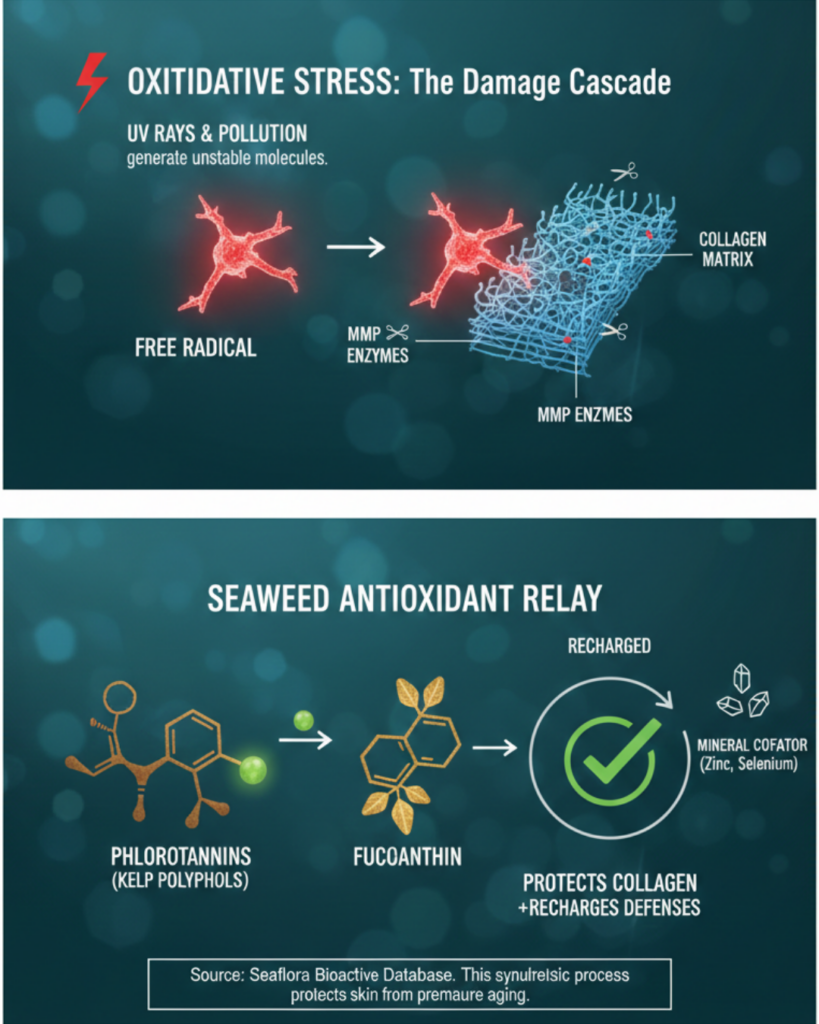
To truly understand seaweed’s power, we must look at how these antioxidants work together in a “relay.” In land-based skincare, an antioxidant might neutralize a free radical and then become inactive. However, in the seaweed matrix, different antioxidants can “recharge” one another. For example, polyphenols can help regenerate other spent antioxidants, creating a continuous loop of protection.
This relay is essential for protecting the extracellular matrix (ECM). The ECM is the framework of your skin, consisting of collagen, elastin, and hyaluronic acid. Free radicals produced by UV light act like “molecular scissors,” cutting through this framework and leading to sagging and wrinkles. Macroalgae antioxidants step in to intercept these radicals before they reach the matrix.
Protecting the “Skin Scaffolding”
By neutralizing ROS (Reactive Oxygen Species), seaweed extracts prevent the activation of Matrix Metalloproteinases (MMPs). Beyond the enzymes that break down collagen. Therefore, seaweed is not just “fixing” damage; it is proactively preventing the degradation of your skin’s structural integrity. Furthermore it makes it a preventative powerhouse for anyone looking to maintain a youthful, firm complexion. Moreover, because seaweed is rich in sulfated polysaccharides like fucoidan, it actually encourages the skin to produce more collagen while protecting what you already have.
Whole Seaweed Synergy vs. Isolated Antioxidant Extracts
We have discussed many amazing antioxidants in kelp, such as phlorotannins and carotenoids. However tempting to think we should just pull out the “best” ones and put them in a bottle. However, nature is much more clever than a laboratory. When you use whole seaweed, you receive the entire package of 69+ bioactives. Think of it like a well-rehearsed band. Seaweed compounds—antioxidants, minerals, and fibers—all work together in harmony.
Such biological systems allow synergy. It means the combined effect is much larger than just adding up the individual parts. Studies show that mixing different seaweed extracts can be more effective than using one alone. They complement each other and fill in functional gaps. Therefore, isolating one “super” antioxidant might not provide the full benefit of the whole food approach.
Why Whole Seaweed Wins
Comparing a pill to a whole fruit illustrates this point perfectly. The fruit has fiber, water, and other nutrients working together to ensure the vitamins are absorbed. Similarly, the complex interactions within whole seaweed often win out over isolated synthetic alternatives. By using the whole plant, we preserve the stability and efficacy of every bioactive molecule. This ensures that the antioxidants remain active from the moment they leave the bottle to the moment they penetrate your skin cells.
Environmental Impact: The Regenerative Nature of Seaweed Antioxidants
Wild kelp does more than act as a nutritional powerhouse; it changes the environment for the better. Kelp soaks up excess carbon dioxide and nitrogen from the water. This cleaning ability helps stabilize ocean chemistry and keeps the marine world healthy. Sustainable efforts, such as hand-harvesting from the Salish Sea, support thriving ecosystems.
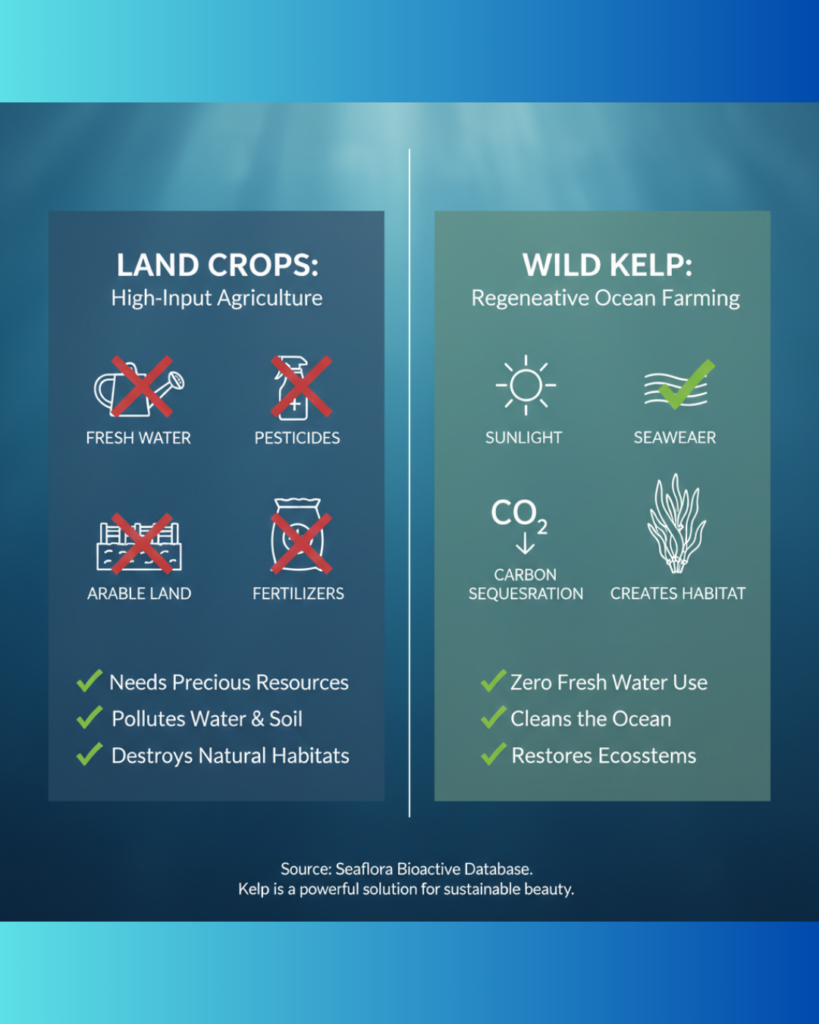
Cultivated and wild kelp forests provide a home for countless marine species, acting as the “nursery” of the ocean. Furthermore, regenerative practices leave the environment better than before. As a result, choosing seaweed-based products supports both your skin and the planet. Unlike land crops, kelp requires no freshwater, no pesticides, and no synthetic fertilizers.
Why wild kelp is special for the environment:
- Kelp grows incredibly fast—up to two feet per day—without needing any human intervention.
- Kelp absorbs significant amounts of carbon and nitrogen, fighting ocean acidification.
- Kelp creates a habitat for diverse ocean species, from small snails to large whales.
- Responsible harvesting allows the plant to regenerate quickly, ensuring the resource is never depleted.
Kelp does not require pesticides or arable land. Instead, it draws everything it needs from the sea and gives back to the ecosystem. Therefore, you can feel good about using seaweed every time you apply it to your skin. It is truly a “zero-waste” beauty ingredient.
Practical Application: How to Use Seaweed Antioxidants
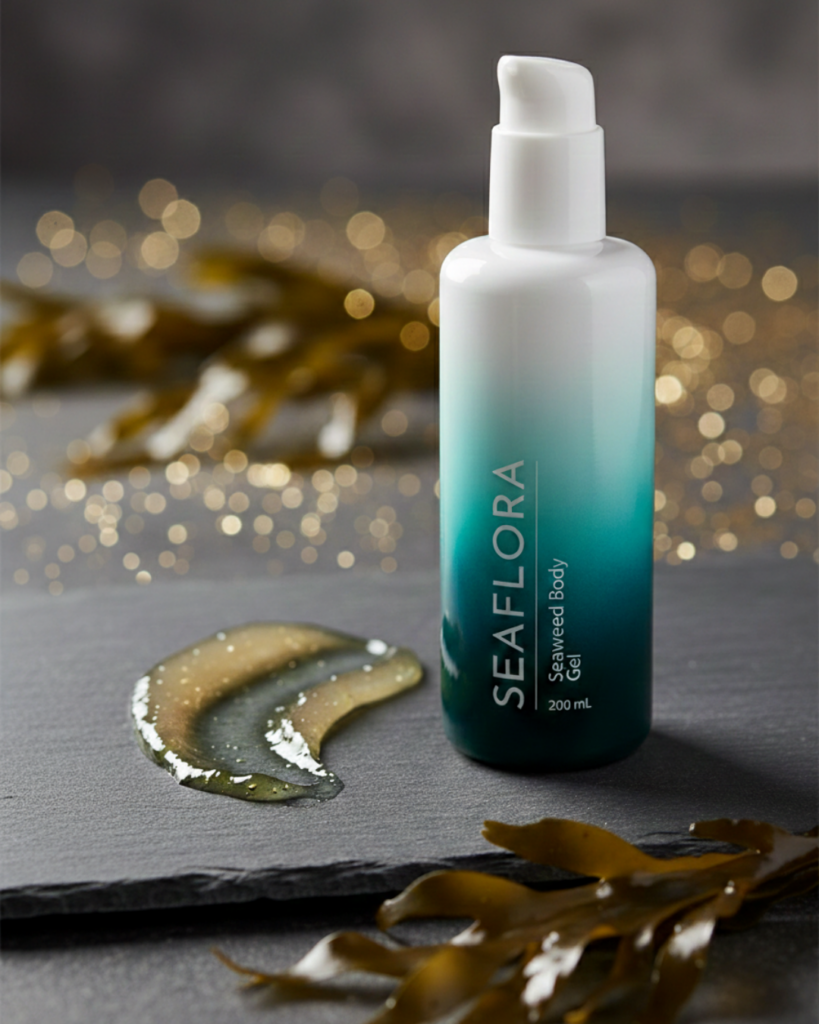
Now that you understand the science, how should you use these antioxidants in your daily routine? Seaweed is remarkably versatile. Which can be found in serums, masks, cleansers, and even body treatments. Because it is so soothing, it is an excellent choice for those with sensitive skin who cannot tolerate harsh synthetic antioxidants.
In the Morning:
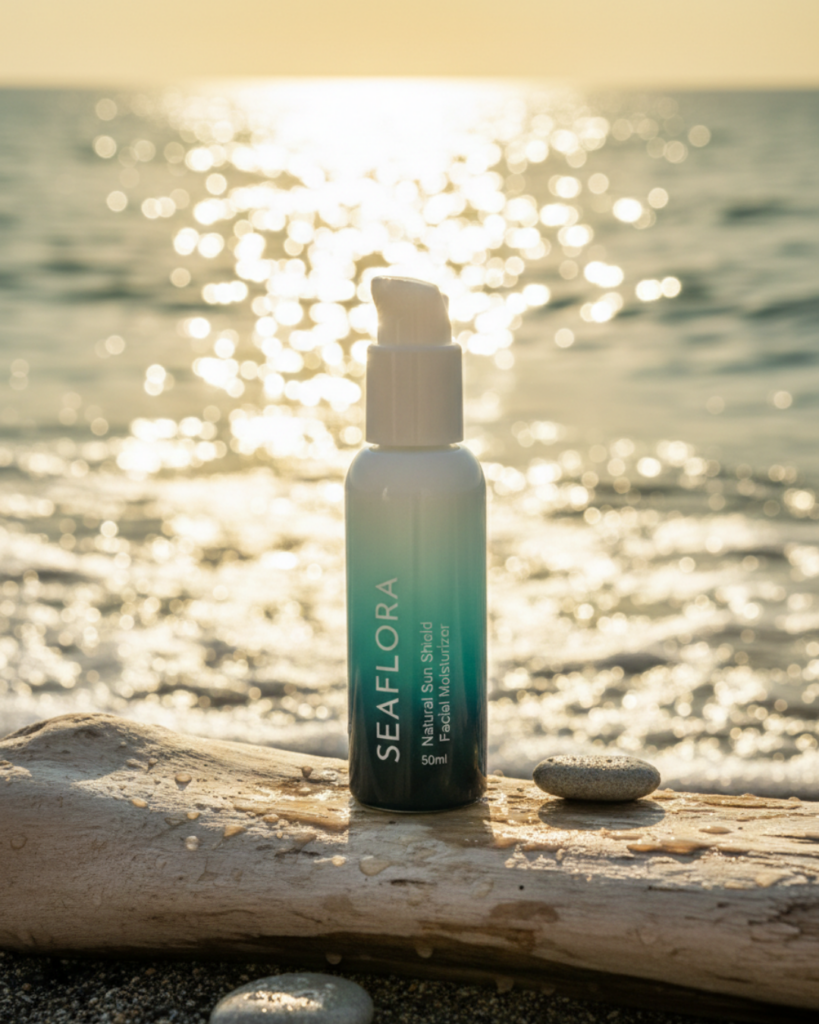
Apply a seaweed-rich moisturizer to provide an antioxidant shield against daily pollution and UV light. This acts as your “insurance policy” for the day, neutralizing stressors before they can cause damage.
In the Evening:
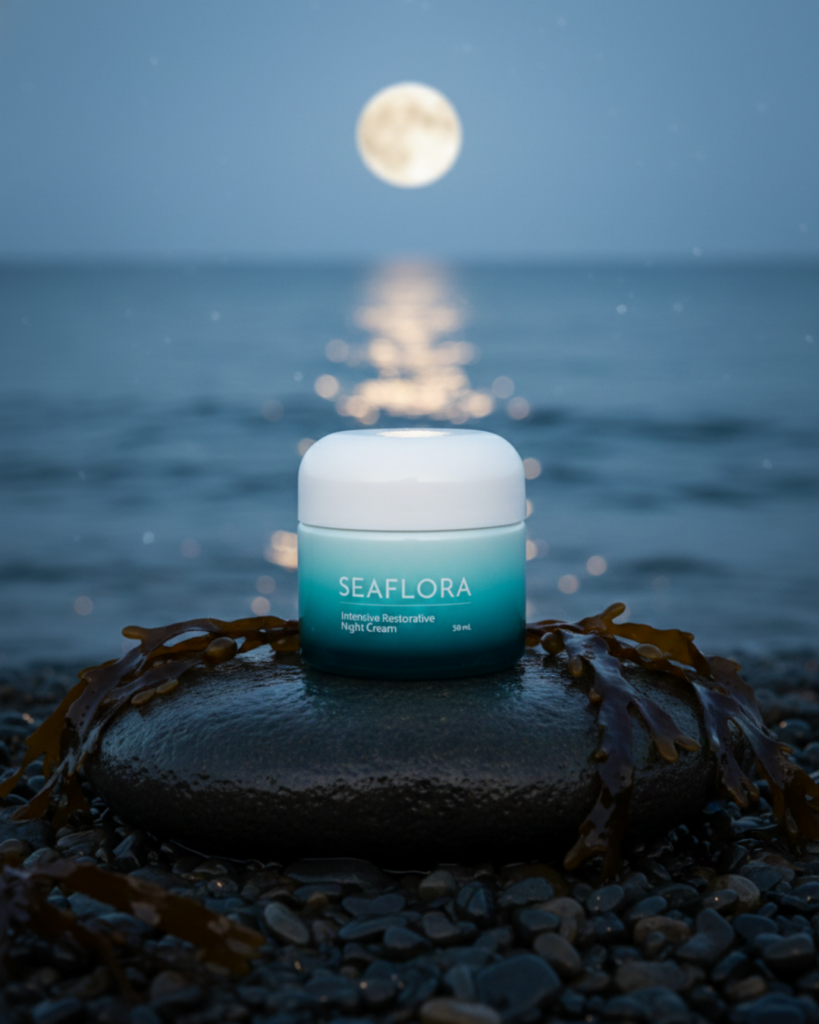
Use a seaweed mask or rich night cream to support the skin’s natural repair process. Nighttime is when the skin focuses on renewal, and the minerals in kelp provide the necessary cofactors for this cellular work.
Conclusion: Embracing the Future of Antioxidant Skincare
In summary, seaweed remains one of the most effective and sustainable resources for modern skincare. Because it is shaped by millions of years of evolution, it offers unique ways to repair and protect your skin that land-based plants simply cannot match. By choosing whole seaweed formulas, you provide your skin with the complex nutrition it needs to stay healthy and resilient.
The ocean’s pantry is full of natural wonders, and wild kelp is a standout leader in the world of antioxidants. Macroalgae’s ability to thrive in tough conditions led to these incredible defense mechanisms. Ultimately, exploring its potential offers a promising path for better skin health and a sustainable future. When you choose seaweed, you are choosing beauty that regenerates both your skin and the sea.
FAQs About Seaweed Antioxidants
Is seaweed skincare just a hydrating ingredient?
No. While it provides intense hydration, kelp also contains 69 bioactives that support barrier health, calm irritation, and fight oxidative stress. It is a multi-functional powerhouse.
What is the difference between “Algae” and “Seaweed”?
“Algae” is a broad category including microalgae. “Seaweed” refers specifically to marine macroalgae, which have more complex bioactive profiles and structural proteins for the skin.
Why does Seaflora use “Whole Seaweed” for antioxidant delivery?
Isolating single compounds often removes the co-factors needed for them to work properly. Whole seaweed keeps all the nutrients intact, just as nature intended, ensuring better results.
How do I find high-quality seaweed antioxidants in products?
Always look for specific species names like Laminaria or Fucus near the top of the ingredient list. Avoid products that only list generic “seaweed extract” at the very end.
Resources
https://pubmed.ncbi.nlm.nih.gov/33671016
https://pubmed.ncbi.nlm.nih.gov/30156999
https://pubmed.ncbi.nlm.nih.gov/39728140
https://pubmed.ncbi.nlm.nih.gov/32315653
https://pubmed.ncbi.nlm.nih.gov/34677451