
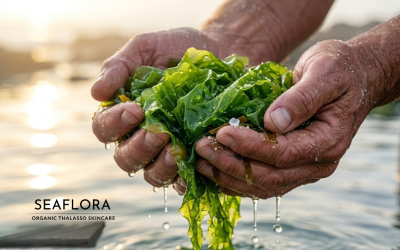
We all want that smooth, youthful skin, right? For ages, retinol has reigned as the go-to ingredient, praised for its anti-aging powers. But let’s be real: it often comes with a side of redness, peeling, and a general sense of irritation. Consequently, it feels like you have to choose between results and comfort. What if there was another way? What if we could get those ageless benefits without the harsh side effects? In fact, the ocean might just hold the secret you have been searching for.
Key Takeaways
- Retinol effectively targets wrinkles but frequently causes severe inflammation and sun sensitivity.
- Many people mistakenly believe that natural ingredients cannot match the potency of synthetics.
- Seaweed, often called the ‘original apothecary,’ offers bio-available anti-aging benefits.
- Specifically, certain marine ingredients provide retinol-like results without the typical side effects.
- Ultimately, embracing marine-based skincare leads to ageless skin with enhanced comfort and fewer compromises.
Introduction
Retinol is the ingredient everyone talks about when they want to discuss anti-aging. You see it everywhere, from fancy serums to drugstore creams. The promise? Smoother skin, fewer wrinkles, and a general glow-up. However, it often comes with a side of drama. Specifically, we are talking about redness, peeling, and that tight, uncomfortable feeling.
This discomfort makes you wonder if your face is actually falling off. Essentially, it feels like a skincare battle you did not sign up for. This is the retinol paradox: powerful results, but often at the cost of serious irritation.
Breaking the Retinol Pain Cycle
For years, the skincare world has pushed the idea that you have to endure the discomfort to get the benefits. This standard approach tells you to start low, go slow, and brace yourself for the initial purge. But what if there was another way? What if you could get those age-defying results without feeling like your skin is staging a rebellion?
Questioning the Synthetic Retinol Potency Myth
Many people believe that the more potent the ingredient, the better the outcome. But is that actually true, or is it just what the industry wants us to believe? This makes you wonder about the alternatives, especially when you hear about ingredients that have been around for ages, working their magic quietly in nature.
Irritation should never be a badge of honor in your skincare routine. Instead, it is usually a sign that something is not quite right. Perhaps the ingredient is not playing well with your skin’s natural balance. This is where we start questioning the status quo and looking for gentler, yet equally effective, solutions. Ultimately, the quest for ageless skin should not feel like a punishment.
Natural Alternatives vs. Retinol: The Effectiveness Debate
It is easy to fall into the trap of thinking that just because something is “natural,” it must be less powerful than its lab-created counterparts. We have been told for years that the cutting edge of skincare is all about complex synthetic molecules.
But is that really the whole story? The idea that “natural” automatically means “weaker” is often more about marketing than actual science. Your skin, believe it or not, does not always recognize or know what to do with every fancy new compound chemists cook up.
Understanding Biological Recognition
Think about it this way: your skin has evolved over thousands of years. Consequently, it is built to recognize and utilize certain things. When we introduce completely foreign substances, the skin has to work overtime to figure them out, and sometimes it just can’t.
This leads to irritation, or worse, the product just sitting on the surface without doing much good. Fortunately, nature often provides the most compatible ingredients.
The Compatibility Factor
Ingredients that are structurally similar to what your skin already produces are usually absorbed and utilized best. This means less chance of a reaction and more chance of actual results. Thus, “natural” does not mean weak; it means compatible.
Many natural ingredients, like those found in seaweed, contain complex compounds that work with your skin’s natural processes, not against them. The effectiveness of an ingredient depends on its structure and how well your skin can use it. Therefore, origin matters less than biological fit.
Evolutionary Skincare
Some highly touted synthetic ingredients might sound impressive, but if your skin cannot properly absorb or process them, they are not doing you any favors. The push for synthetic ingredients often overlooks the fact that our skin’s biology has not fundamentally changed.
Your face still recognizes and responds best to nutrients and compounds it has encountered throughout evolutionary history. Trying to force-feed it entirely new molecules can be like trying to speak a language it does not understand – it leads to confusion and rejection instead of clear communication.
So, next time you see a product touting a long list of chemicals, ask yourself: does my skin know what to do with this? Or is there a simpler, more harmonious way to achieve that ageless glow?
The “Original Apothecary”: Why Seaweed Wins
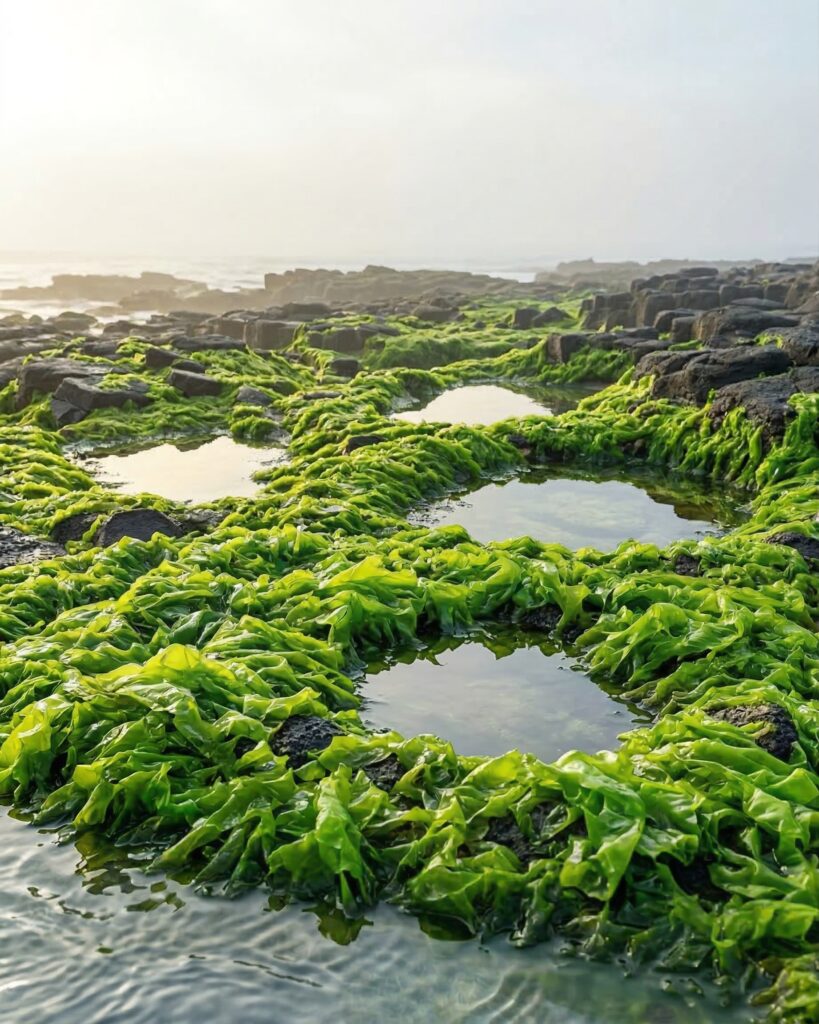
Forget fancy labs and complicated chemical names for a second. Instead, think about what nature has been doing forever. Long before we had serums and creams, the ocean was a treasure chest of skin-loving ingredients. At the top of that list sits seaweed. It is like the original apothecary, packed with goodness that our skin actually recognizes and can use.
Marine Resilience and Survival
Why is seaweed so special? It is not just some random plant floating around. Seaweed has evolved to survive in some pretty harsh conditions – think strong currents, changing tides, and intense sun. To do that, it developed this incredible ability to create and store a whole bunch of beneficial compounds.
Stored Nutrient Density
These are not just random molecules. In fact, they are vitamins, minerals, antioxidants, and unique polysaccharides that mimic some of the stuff our own skin needs. Think about it this way:
- Rich in Minerals: Seaweed is loaded with minerals like iodine, magnesium, and potassium, which are super important for keeping skin healthy and balanced.
- Antioxidant Powerhouse: It contains compounds that help fight off damage from things like pollution and sun exposure, which can make skin look older.
- Hydration Helpers: Certain types of seaweed have natural humectants that draw moisture to the skin, keeping it plump and hydrated.
- Soothing Properties: Many seaweeds are known for their ability to calm irritation, making them a great choice for sensitive skin.
Biological Synergy
This natural synergy is why seaweed is so effective, working with your skin’s own biology rather than against it. Coastal communities have used it for centuries for its healing and beautifying properties, long before anyone even thought about synthetic alternatives.
Seaweed is a gentle yet powerful ingredient that offers a whole spectrum of benefits without the harsh side effects often associated with more aggressive treatments. It is nature’s way of saying, “I’ve got you covered.”
Seaweed Science: How Marine Botanicals Mimic Retinol
To understand why seaweed wins, we must look at the molecular level. Synthetic retinol (Vitamin A) works by stimulating cell turnover through a process that often causes inflammation. While this speeds up the growth of new skin, it often damages the existing skin barrier in the process.
Conversely, marine botanicals like Laminaria digitata contain natural precursors to Vitamin A. These compounds allow your skin to synthesize what it needs at its own pace. Consequently, you achieve the same results without the “burn.”
Collagen Production Without Retinol Inflammation
Furthermore, seaweed contains unique amino acids like hydroxyproline, which serves as a building block for collagen. Synthetic retinoids force collagen production through a stress response. Seaweed, however, provides the raw materials your skin needs to build collagen naturally. This results in firmer skin that feels healthy rather than sensitized.
Alginates: The Moisture Magnet
Additionally, brown seaweeds are rich in alginic acid. These alginates create a protective, breathable film on the skin that traps moisture. Synthetic retinol often leads to transepidermal water loss (TEWL), leaving skin dry and flaky. By contrast, seaweed-based alternatives actively prevent dehydration, ensuring your skin stays plump and supple throughout the renewal process.
Spotlight: Seaflora’s “Ocean Retinol” Powerhouses
So, you have heard about retinol, right? The stuff that is supposed to be amazing for wrinkles but often leaves your skin feeling like sandpaper. Well, Seaflora is doing things a little differently. We have tapped into the ocean’s own version of this powerful ingredient, and it is called “Ocean Retinol”.
What exactly is this “Ocean Retinol”?
It is not some lab-created molecule. Instead, Seaflora uses specific types of seaweed packed with natural compounds that act similarly to retinol. Think of it as nature’s way of giving your skin a boost without all the harsh side effects.
These seaweeds contain a mix of vitamins, minerals, and antioxidants that work together to help with cell turnover and collagen production. It is like a gentle nudge for your skin, encouraging it to renew itself.
The Seaflora Advantage
Here is a peek at what makes these Seaflora products stand out:
- Rich in Seaweed Extracts: The core of our “Ocean Retinol” comes from seaweeds selected for their skin-benefiting properties.
- Natural Vitamin A Precursors: Instead of synthetic retinol, we use seaweed compounds that the skin converts into beneficial Vitamin A.
- Antioxidant Powerhouse: Seaweed is loaded with antioxidants that protect your skin from environmental damage, which is vital for youthful skin.
- Hydration Boost: Many seaweeds have hydrating properties that keep your skin plump, unlike traditional retinol which often dries you out.
Synergistic Magic
The real magic is in the synergy; these natural components work together, mimicking retinol’s benefits without irritation. This much gentler approach makes it suitable for people who cannot tolerate retinol.
You get the skin-renewing effects, but your skin feels soothed and happy instead of red and flaky. It is a win-win, really. If you are looking for that anti-aging punch without the adjustment period, Seaflora’s products are worth checking out. They prove that you do not need to be harsh to get great results.
How to Switch: Moving from Synthetic to Ocean Retinol
If you are currently using a synthetic retinoid, you might worry about losing your progress if you stop. However, transitioning to a marine-based routine is simpler than you think. Because seaweed is so compatible with your biology, you can usually make the switch immediately.
Step 1: Repair the Barrier
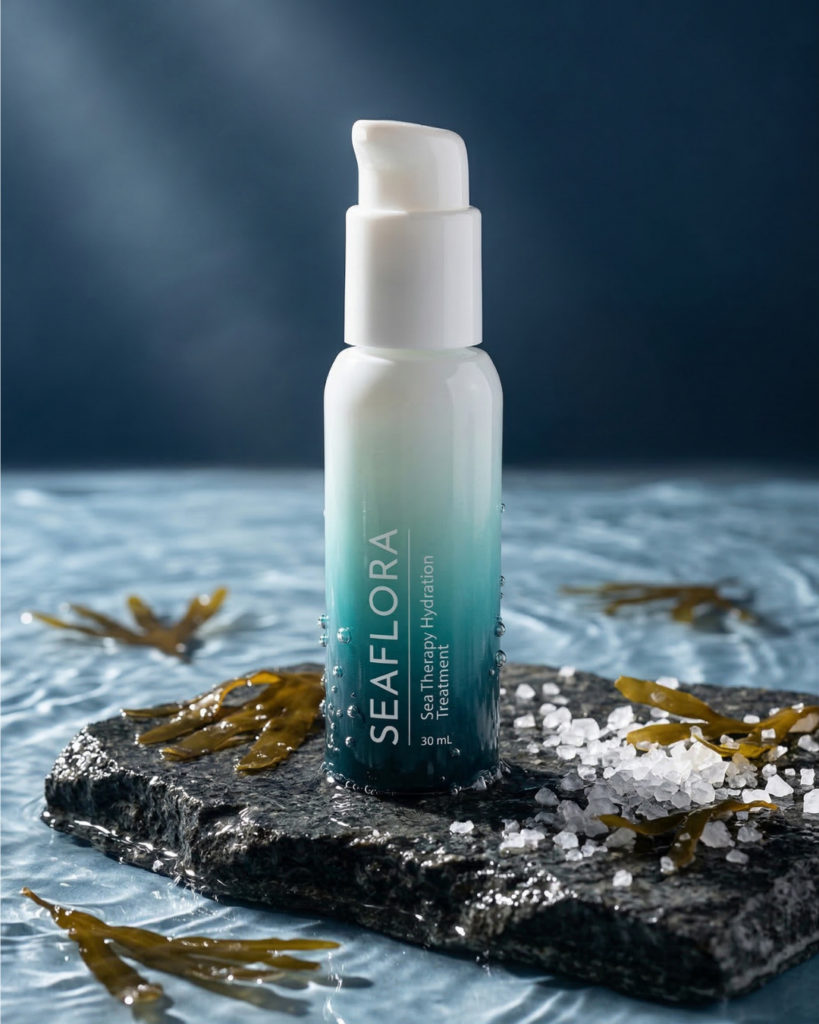
First, you should focus on repairing any lingering damage from synthetic products. Use the Sea Therapy Hydration Treatment at night to deliver intense minerals to the dermal layer. This helps calm inflammation and rebuilds the skin’s natural lipid barrier.
Step 2: Introduce Ocean Retinol
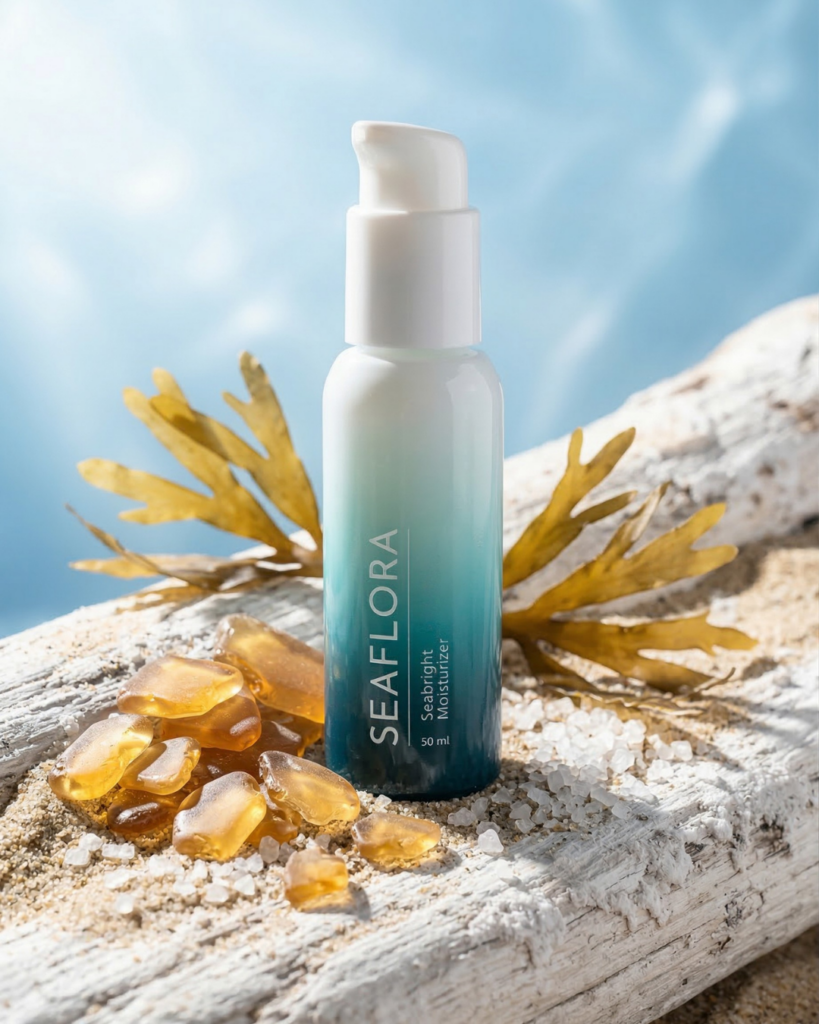
Next, integrate the Seabright Moisturizer into your morning and evening routine. This product utilizes the power of Laminaria to gently stimulate cell turnover. Unlike synthetic retinol, which you can only use at night, our seaweed-based moisturizer is safe for daytime use because it does not increase sun sensitivity.
Step 3: Maintain the Glow
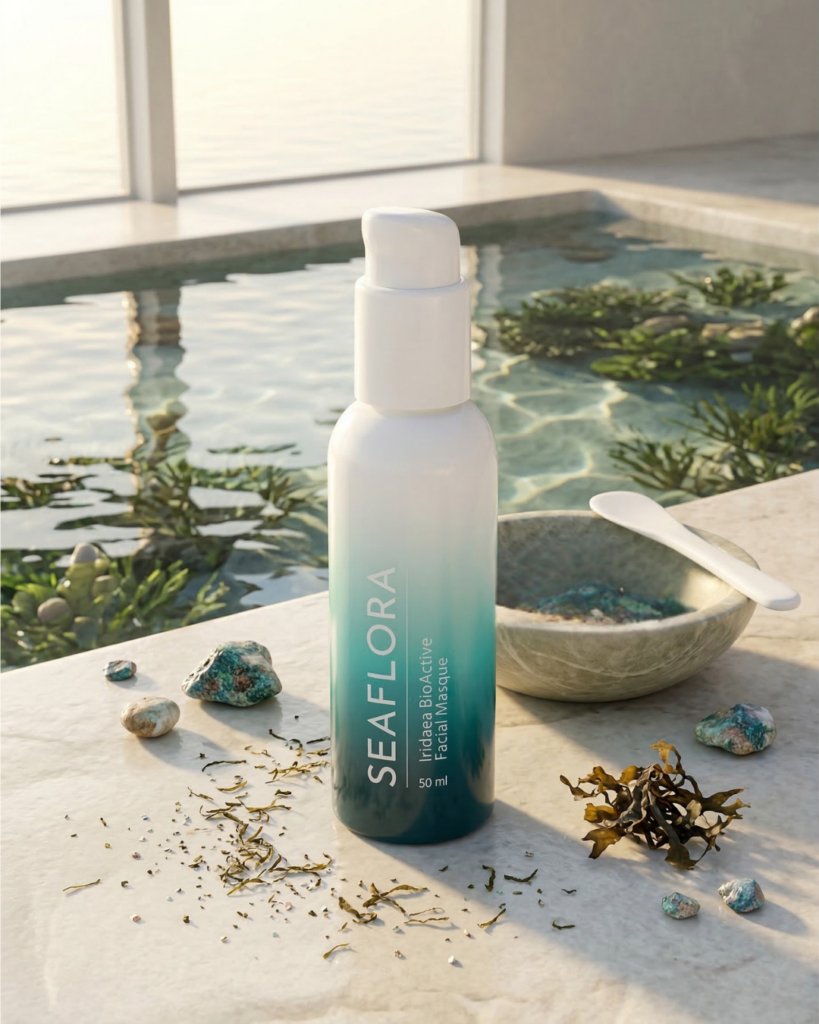
Finally, maintain your results with a weekly seaweed mask. This provides a “mineral infusion” that keeps your skin’s collagen production at its peak. By following this gentler path, you will notice that your skin becomes more resilient and radiant over time.
Conclusion
So, we have seen how seaweed offers a gentler, yet powerful, path to younger-looking skin. It is a different approach that works with your skin’s natural processes instead of against them. Think of it as a return to what nature intended, but with a modern scientific understanding.
The Fade of Harsh Treatments
The era of harsh, irritating treatments is fading, replaced by the quiet strength of the ocean. We are moving towards skincare that respects our skin’s delicate balance while still delivering visible results. It is about embracing ingredients that have been around for ages, now validated by science to support skin vitality.
Sustainable and Natural Care
This shift means we can finally have it all: effective anti-aging without the redness, peeling, or discomfort. It is a more sustainable, natural way to care for our skin. Honestly, it feels good to know that the secrets to looking younger might just be found in the deep blue sea.
The beauty industry has often pushed aggressive solutions, but the real magic lies in gentle, consistent care. Marine ingredients remind us that potent does not mean punishing. By nurturing your skin’s inherent ability to renew itself, you lead to a more radiant complexion over time.
Frequently Asked Questions
What is the main problem with synthetic retinol? Retinol can be very harsh on the skin. It often causes redness and makes your skin super sensitive to the sun. Consequently, many people find it too irritating to use regularly.
Are natural ingredients less effective than retinol? Not at all! The idea that natural means weaker is just a marketing trick. Your skin recognizes natural seaweed ingredients much better than lab-made molecules. This means they can work effectively without causing inflammatory problems.
What makes seaweed a good alternative? Seaweed is nature’s original skincare secret. It is packed with nutrients that your skin understands and can use immediately. It helps your skin look younger but in a way that is gentle and avoids the “burn” of retinol.
What exactly is ‘Ocean Retinol’? ‘Ocean Retinol’ refers to natural ingredients in seaweed that act similarly to retinol by boosting renewal. They offer the benefits of fighting signs of aging without any of the typical harsh side effects.
Can seaweed really help with wrinkles? Absolutely! Seaweed contains compounds that help skin repair itself and boost collagen naturally. It provides a smoother, brighter look while remaining kind to your skin’s barrier.
How do I switch my routine? Start by looking for products with natural marine ingredients like those from Seaflora. These products give you anti-aging results without redness. Thus, you get the benefits of renewal from the ocean, naturally.
Resources
https://pubmed.ncbi.nlm.nih.gov/34162044
https://pubmed.ncbi.nlm.nih.gov/11325175
https://pubmed.ncbi.nlm.nih.gov/11325193