
Hand-Harvesting Seaweed: Why We Do It & Why It Matters
You know, when we think about getting our hands on things, we usually picture food or maybe crafts. However, what about the ocean’s bounty? Specifically, seaweed. It turns out that how we gather this underwater plant matters a lot. We’re talking about a method that’s gentle, smart, and keeps the ocean healthy, all while giving us a better product. Let’s dive into why hand-harvesting seaweed is the way to go.
Key Takeaways
- Hand-harvesting seaweed involves carefully picking it by hand, much like you’d pick berries, rather than using big machines.
- Mechanical dredging can harm the ocean floor and the life within it. Therefore, hand-harvesting is a much kinder alternative.
- Infinite regrowth is possible. By picking seaweed in a way that lets it grow back, we ensure there’s always plenty.
- Zero-bycatch means we don’t accidentally catch or harm other sea creatures.
- Better for skin: The gentle handling of hand-harvested seaweed means it stays fresher. Consequently, it is packed with more vitamins and minerals.
What is Wild Hand Harvesting Seaweed?
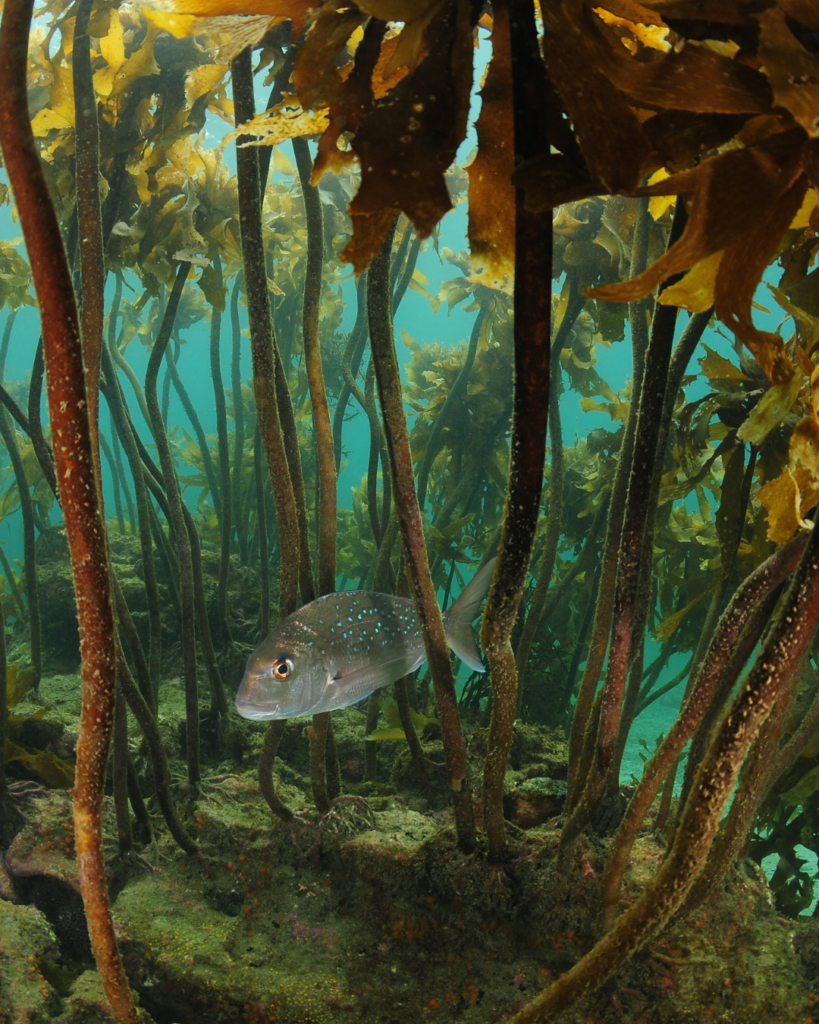
Wild hand harvesting seaweed is a pretty straightforward concept. It means going out and gathering seaweed from its natural ocean home, but doing it all by hand. Unlike industrial methods, we use no big machines and no boats dragging nets. Instead, people carefully select exactly what they need. This method focuses entirely on gentleness toward the ocean and its inhabitants.
Think of it like picking berries from a bush. You wouldn’t just rip the whole bush out of the ground, right? You’d pick the ripe berries, leaving the rest to grow. Hand harvesting seaweed is similar. We look for mature seaweed and carefully cut it. Crucially, we make sure not to disturb the base or the surrounding ecosystem. This way, the seaweed can keep growing, and the ocean floor stays intact.
The Step-by-Step Process of Hand Harvesting Seaweed
Here’s a little breakdown of how we generally do it:
- Scouting: First, we find areas where seaweed is plentiful and healthy.
- Selection: Next, we choose mature, good-quality seaweed, leaving younger or damaged pieces behind.
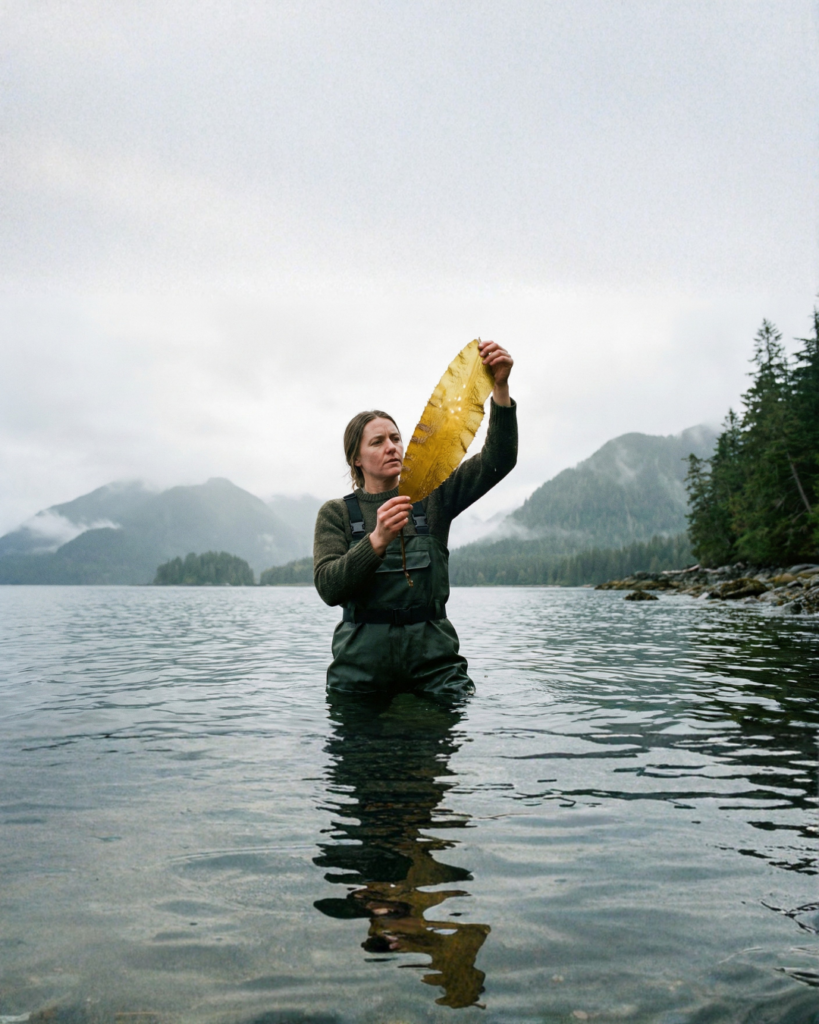
- Harvesting: Using our hands or simple tools like scissors, we cut the seaweed.
- Cleaning: Once we harvest the plants, we rinse them with clean ocean water to remove any sand or debris.
- Drying: Finally, we lay it out to dry naturally, often in the sun.
We perform this whole process with a lot of care. It’s not just about getting the seaweed; it’s about respecting the environment it comes from. We want to make sure that when we take some, plenty remains for the ocean and for future harvests. In short, it’s a way of working with nature, not against it. This meticulous, hands-on approach preserves the seaweed’s rich mineral content and natural goodness.
Furthermore, this is a mindful practice that connects us directly to the source of our ingredients. This direct connection means we know exactly where our seaweed comes from. Unlike methods that can churn up the seabed or accidentally catch other marine life, hand harvesting is incredibly precise. It allows us to be selective about what we gather. It’s a slower, more thoughtful way to get our seaweed, and honestly, it makes a big difference in the end.
The Destructive Truth of Mechanical Dredging for Seaweed
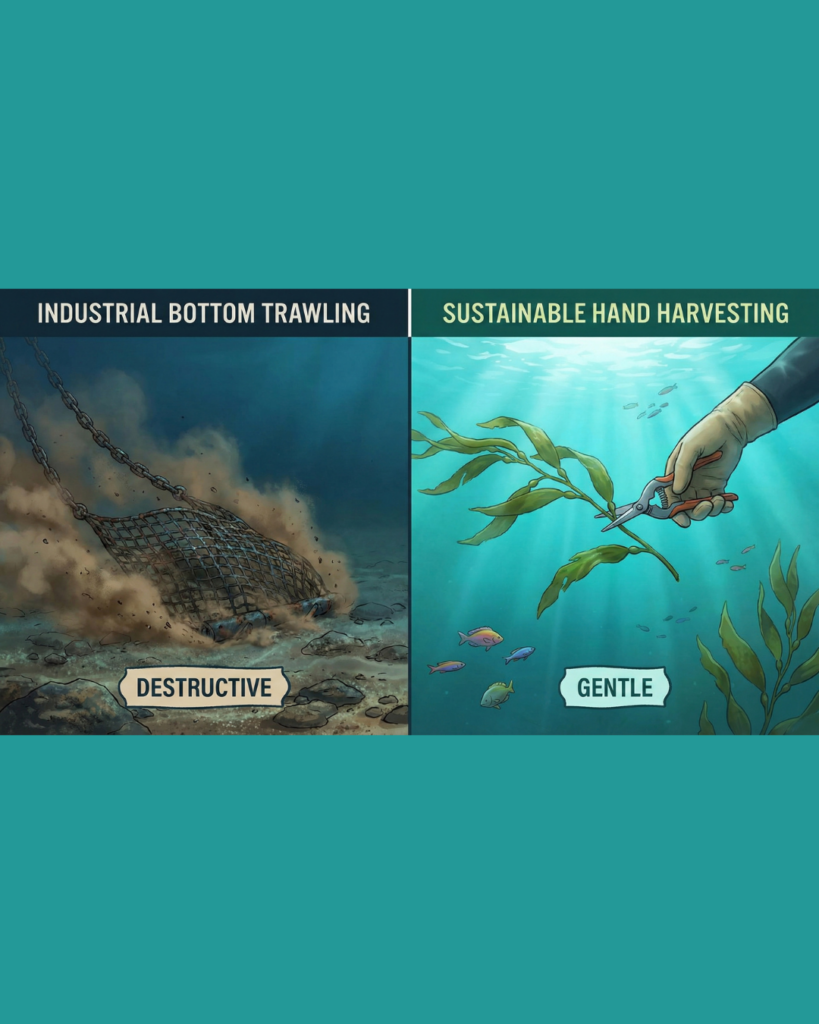
When we talk about harvesting seaweed, especially for skincare, the method really matters. You might not think about it much, but how companies gather something from the ocean can have a big impact. Unfortunately, one way some larger operations harvest seaweed is through mechanical dredging. This involves using heavy machinery, often boats dragging large nets or rakes across the seabed.
This approach can be really tough on the marine environment. Imagine a giant bulldozer scraping the ocean floor – that’s kind of what it’s like. It doesn’t just grab the seaweed; it rips up everything in its path. Consequently, other plants, small creatures, and even the delicate ecosystems that live on the seabed get destroyed. It’s not selective at all.
Why It Destroys the Ecosystem
Think about the specific damage:
- Habitat Destruction: Dredging can flatten coral reefs, seagrass beds, and other vital habitats that marine life depends on for shelter and food.
- Sediment Stirring: The process kicks up a lot of sediment, making the water cloudy. This can block sunlight needed by remaining plants and smother filter-feeding animals.
- Bycatch: Nets and rakes aren’t just catching seaweed. They also catch fish, crustaceans, and other sea creatures that get tangled and often don’t survive. This is a huge waste and disrupts the food web.
It’s a bit like clear-cutting a forest versus carefully pruning a tree. Mechanical dredging is the clear-cutting option. It’s fast and can gather a lot of material quickly, which is appealing for big companies looking to cut costs. However, the long-term damage to the ocean is significant. The seabed takes a long time to recover, if it ever fully does. This method often leads to a loss of biodiversity and can harm the overall health of the ocean for years to come.
The “Pruning” Method: Ensuring Infinite Regrowth for Seaweed
When we harvest seaweed by hand, it’s not just about picking it. It’s more like a careful trim, a method that helps the seaweed keep growing. Think of it like pruning a plant in your garden. Instead of ripping the whole thing out, you snip off just what you need, leaving the base intact. As a result, the seaweed can sprout new fronds and continue to thrive.
This “pruning” approach is key to sustainability. It means we can harvest from the same spots year after year without depleting the resource. It’s a gentle process that respects the natural life cycle of the kelp and other seaweeds.
How We Prune the Ocean for Seaweed
Here’s how we execute this technique:
- Selective Cutting: Harvesters identify mature, healthy parts of the seaweed and cut them above the holdfast (the part that anchors it to the seabed).
- Leaving the Base: The crucial part is leaving the holdfast and a portion of the stipe (the stem-like structure) to allow for regeneration.
- Timing Matters: We often harvest during specific seasons when the seaweed is most robust and regrowth is most likely.
This isn’t just a nice idea; it’s a practical way to manage a wild resource. Unlike methods that might clear-cut an area, hand-harvesting as pruning allows the seaweed bed to remain a living ecosystem. Therefore, it’s a method that supports the long-term health of the ocean environment. The goal is to take only what’s needed, ensuring that the seaweed can continue to grow and reproduce. This mindful approach means the ocean’s bounty is available for generations to come.
Protecting Marine Life: Zero Bycatch When Hand Harvesting Seaweed
One of the biggest wins of hand-harvesting is how gentle it is on the ocean. Unlike big, mechanical operations that can scoop up everything in their path, our method is all about being selective. We don’t drag nets or use heavy machinery that could damage the seabed. Instead, our goal is to take only what we need, leaving the rest to thrive.
Think of it like tending a garden versus clear-cutting a forest. With mechanical dredging, it’s easy to end up with a lot of unwanted stuff – fish, crabs, other plants – mixed in with your harvest. Biologists call this “bycatch,” and it’s a real problem for marine ecosystems because it disrupts the natural balance.
A Precise Approach
Our hand-harvesting process, however, is incredibly precise. We identify the specific seaweed we’re looking for and carefully cut only the parts that are ready for harvest. This means:
- No disruption to the seabed: We don’t disturb the ocean floor, protecting habitats for bottom-dwelling creatures.
- Selective harvesting: We only take the mature seaweed, leaving younger plants and other organisms untouched.
- Minimal impact on water quality: We avoid stirring up sediment, which keeps the water clearer for all marine life.
Consequently, we act as stewards of the ocean. It’s about working with nature, not against it, to ensure the health of the marine environment for years to come. This conscious harvesting method helps maintain the biodiversity of the coastal waters. We’re not just focused on our seaweed; we’re mindful of the entire ecosystem.
Why Hand-Harvested Seaweed Makes Better Skincare
When we talk about hand-harvesting seaweed, it’s not just about being gentle with the ocean. Additionally, it makes a big difference in what ends up in your skincare products. Think about it: when we pick seaweed by hand, we do it with much more care. We select each piece individually, taking only the best bits. This means we get seaweed that is less likely to be bruised or damaged.
Machines, on the other hand, can be pretty rough. They might grab everything, including bits that aren’t quite right, or even things that shouldn’t be there. This rough handling can break down the good stuff inside the seaweed, like those beneficial compounds that skincare companies are after. When damage occurs, quality drops pretty fast.
The Nutrient Difference
The result is seaweed that’s more potent and packed with nutrients when it reaches our labs. Here’s a quick look at why that matters:
- Better Nutrient Preservation: Hand-picking helps keep the seaweed’s natural vitamins, minerals, and antioxidants intact. Less damage means more of the good stuff stays in.
- Purity: We guarantee high-quality seaweed, free from unwanted debris or damaged parts that could affect the final product.
- Consistency: Because we carefully select each piece, the quality is more predictable. This helps us create skincare that performs reliably.
In summary, when we harvest with care, the plant retains more of its natural goodness. This translates directly into skincare that can offer more benefits, like better hydration and a more vibrant look for your skin. Treat the ingredient well from the start, and you’ll get a better result in the end.
Respecting the Salish Sea and Future Generations
Hand-harvesting seaweed isn’t just about getting the best product for your skincare. It’s also about being good neighbors to the ocean, specifically the Salish Sea. Think of it like tending a garden, but instead of soil, it’s the water, and instead of plants, it’s seaweed. Our method focuses on taking only what we need.
This respect extends to the people who have called this coastline home for millennia. Seaflora works closely with First Nations to ensure our harvesting practices are sustainable and respectful of traditional territories. We don’t just harvest from the land; we harvest with the understanding that we are guests here. By consulting with First Nations and operating under strict licenses that protect these waters, we ensure that our methods align with the ancient wisdom of stewardship.
Stewardship in Action
This approach is super important for keeping the Salish Sea healthy for a long time. We’re not just harvesting for today; we’re thinking about the kids and grandkids who will live here too. Here’s what that care looks like:
- Selective Harvesting: We only take mature, healthy seaweed. This leaves the younger, smaller plants to grow bigger and stronger.
- Sustainable Yields: We never take more than a small percentage of the available seaweed in any given area. This ensures plenty always remains to reproduce.
- Habitat Preservation: Our methods don’t disturb the seabed or other marine life. We leave the ecosystem as we found it, or even better.
Our commitment goes beyond just harvesting. It’s about being stewards of this incredible marine environment. We believe that by working with nature, we can create a sustainable future for both the Salish Sea and the communities that depend on it.
Conclusion
So, we’ve talked about how hand-harvesting seaweed is different from just ripping it out of the ocean. It’s about being careful, like pruning a plant so it can grow back even stronger. This method means we’re not just grabbing what we need for today; we’re thinking about tomorrow, and the day after that.
Choosing hand-harvested seaweed is a vote for a healthier ocean and better skincare. Moreover, it’s a small action with a big ripple effect. When you pick up a product made with seaweed harvested this way, you support a practice that respects marine life. It’s about quality, not just quantity, and that difference really shows up in the final product.
Think about it:
- Gentle on the Ecosystem: No big machines churning up the seabed.
- Sustainable Growth: By taking only what’s needed, we allow seaweed beds to regenerate naturally.
- Higher Quality Ingredients: The care taken during harvest means the seaweed retains more of its natural goodness.
The ocean gives us so much, and it’s our job to take care of it in return. Hand-harvesting is one way we can do that, showing respect for the Salish Sea. Ultimately, this approach is about a philosophy of care. It’s about understanding that our actions have consequences and choosing to act in a way that benefits both us and the planet.
More Than Just Picking Grapes
So, when you’re enjoying a glass of wine or a drizzle of olive oil, remember the hands that picked the fruit. Hand-harvesting isn’t just about tradition; it’s a deliberate choice that impacts the final taste and quality. It’s a lot of work, sure, and sometimes it means slower mornings and more effort. But that careful selection, that connection to the land and the fruit, it really does make a difference. It’s how we get those really special flavors and textures that machines just can’t replicate. It’s a bit of human touch that ends up in every bottle and every drop.
Frequently Asked Questions
What exactly is hand-harvesting seaweed?
Hand-harvesting seaweed means people carefully pick seaweed from the ocean or shore by hand. It’s like picking berries, but underwater or along the coast. This method makes sure only the best parts of the seaweed are taken, and it’s done gently to protect the ocean.
Why is mechanical harvesting bad for the ocean?
Mechanical harvesting uses big machines that can be rough on the ocean floor. These machines can pull up more than just seaweed, harming small sea creatures and damaging the seaweed beds. It’s like using a giant vacuum cleaner that sucks up everything, instead of carefully picking what you need.
How does hand-harvesting help seaweed grow back?
When seaweed is hand-harvested, people often use a ‘pruning’ method. This means they cut only the parts of the seaweed that are ready, leaving the base intact. This allows the seaweed to grow back quickly and healthily, just like trimming a plant encourages new growth.
Does hand-harvesting hurt sea animals?
No, hand-harvesting is very gentle on sea animals. Because people are carefully picking the seaweed, they avoid catching or harming any fish, crabs, or other sea life that might be nearby. This means no sea creatures are accidentally taken, which is called ‘zero bycatch’.
Is seaweed from hand-harvesting better for skincare?
Yes, hand-harvested seaweed is often better for skincare products. Since it’s picked with care, it retains more of its natural goodness and nutrients. This means the seaweed used in lotions or creams is more potent and beneficial for your skin.
Why is respecting the ocean important when harvesting seaweed?
Respecting the ocean, like the Salish Sea, is vital for keeping it healthy for the future. Hand-harvesting is a way to take what we need without damaging the environment. This ensures that future generations can also benefit from the ocean’s resources and enjoy its beauty.
Resources
https://pubmed.ncbi.nlm.nih.gov/25346571
https://pmc.ncbi.nlm.nih.gov/articles/PMC9318209
https://pmc.ncbi.nlm.nih.gov/articles/PMC6266229